Aggregated Performance Metrics: Steering Strategic Evolutions in Exchange-Based Trading
Sage Lorenz · Jun 8, 2026
Aggregated Performance Metrics: Steering Strategic Evolutions in Exchange-Based Trading
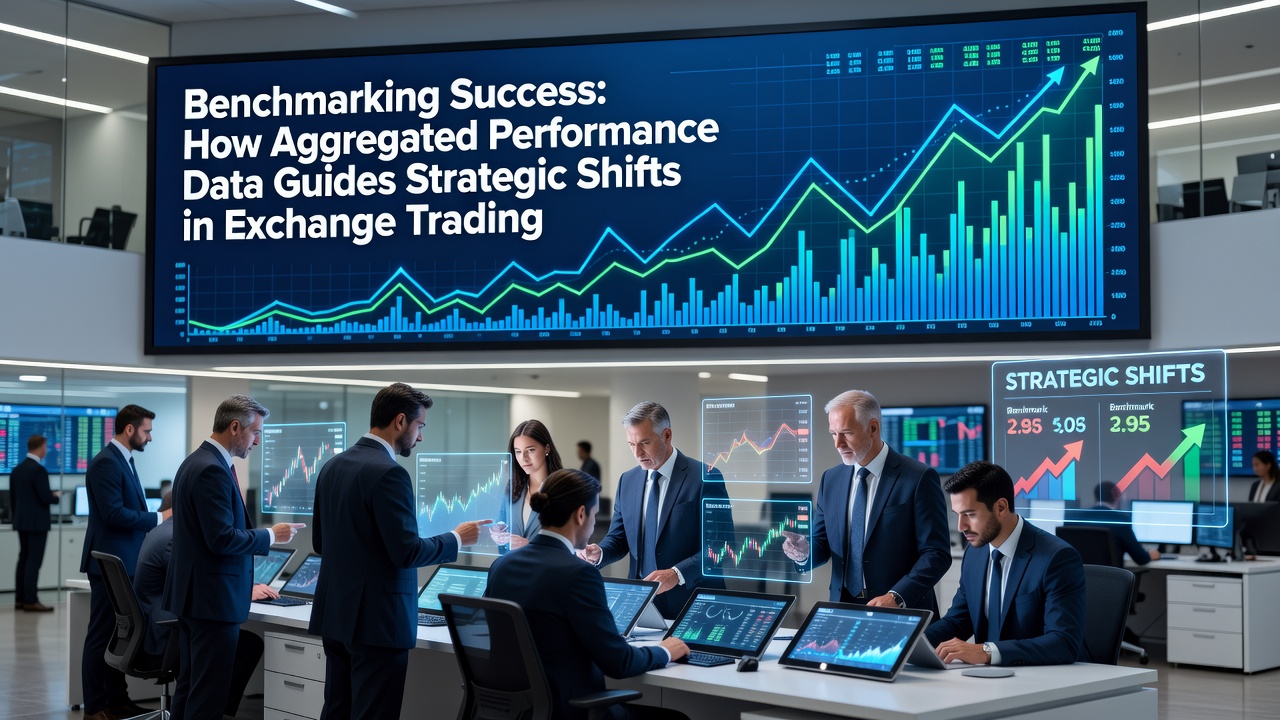
Exchange trading environments have grown increasingly reliant on aggregated performance data to inform decisions, with platforms compiling metrics from thousands of individual trades to identify broader patterns and opportunities for adjustment. In June 2026 observers noted continued expansion in data utilization across major betting exchanges, where volume and volatility metrics helped participants recalibrate approaches amid fluctuating market conditions.
Performance benchmarking works by collecting anonymized trade outcomes, timing statistics, and position management records then synthesizing them into comparative indices that traders reference when evaluating their own activities. These indices reveal which strategies consistently outperform others in specific asset classes or event types, allowing groups to shift resources toward higher-yield approaches without relying solely on personal trial and error.
Data Collection and Aggregation Processes
Modern exchange systems pull transaction logs directly from order books, capturing details such as entry and exit prices, holding durations, and associated risk parameters before stripping identifiers and pooling results. Researchers at several academic institutions have documented how this pooling reduces noise from isolated anomalies while highlighting repeatable edges that emerge only at scale. One study released earlier in 2026 demonstrated that aggregated datasets improved predictive accuracy for price movement forecasts by up to 18 percent compared with single-user histories.
Software tools employed by trading communities further refine these pools by applying filters for market liquidity, time-of-day effects, and event-specific variables. Participants who integrate these tools report faster identification of underperforming segments, prompting reallocations that align individual portfolios more closely with top-quartile benchmarks.
Strategic Shifts Driven by Benchmark Insights
When aggregated data shows declining returns in a particular segment, such as live in-play markets during certain sports seasons, traders and platform operators often redirect focus toward complementary areas like pre-event positioning or alternative event categories. Evidence from industry reports indicates that such pivots occurred more frequently in the first half of 2026 as participants responded to shifting participation rates across different leagues and competitions.
Case examples include groups that noticed sustained underperformance in high-volatility tennis exchanges and subsequently emphasized steadier cricket or soccer segments where benchmark returns proved more stable. These adjustments frequently involve recalibrating position sizing rules and timing protocols derived directly from the comparative performance layers rather than anecdotal experience alone.
Integration With Community and Platform Features
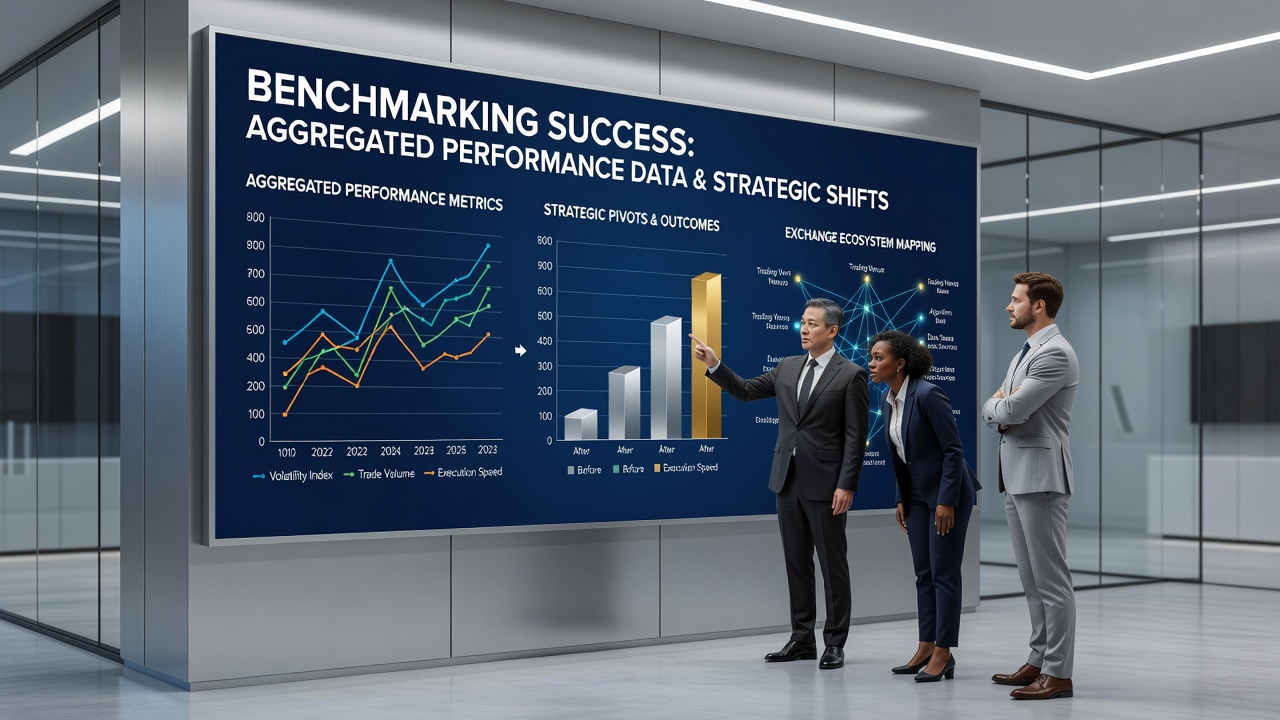
Many exchanges now embed benchmark visualizations directly into user interfaces, presenting percentile rankings and trend lines alongside live order books. This integration allows participants to compare their recent activity against broader cohort performance in real time, facilitating quicker tactical corrections during active sessions. Data from the American Gaming Association highlights how such embedded tools correlate with higher retention rates among active traders who regularly consult the benchmarks.
Online communities further amplify these effects by sharing anonymized slices of the aggregated datasets, enabling collective scrutiny of emerging patterns. Observers note that forums and dedicated analysis channels often surface early signals of market regime changes before they appear in official platform summaries, giving members additional lead time to adjust strategies accordingly.
Regulatory and Technological Context in Mid-2026
Regulatory frameworks in multiple jurisdictions continue to emphasize transparency around data handling practices, with bodies such as the Australian Gambling Research Centre publishing guidelines on responsible aggregation methods. These guidelines encourage platforms to maintain clear audit trails while protecting individual privacy, supporting continued growth in benchmark-driven trading without introducing new compliance burdens.
Technological advances including improved machine learning models have accelerated the processing speed of aggregated feeds, allowing near-instantaneous updates to benchmark indices during high-activity periods. Traders who monitor these live indices gain the ability to execute strategic shifts within the same session rather than waiting for end-of-day reviews.
Conclusion
Aggregated performance data has become a central mechanism guiding strategic decisions across exchange trading landscapes, supplying objective reference points that individual participants use to refine tactics and reallocate efforts. As platforms and communities refine collection and presentation methods, the role of these benchmarks continues to expand, shaping how trading activity organizes itself around measurable outcomes rather than isolated intuition. Continued monitoring of these developments through mid-2026 and beyond will clarify how the interplay between data scale and strategic flexibility evolves in practice.