Arena Conditions Drive Instant Price Shifts in Athletic Exchange Markets
Felix Lorenz · Sep 27, 2026
Arena Conditions Drive Instant Price Shifts in Athletic Exchange Markets
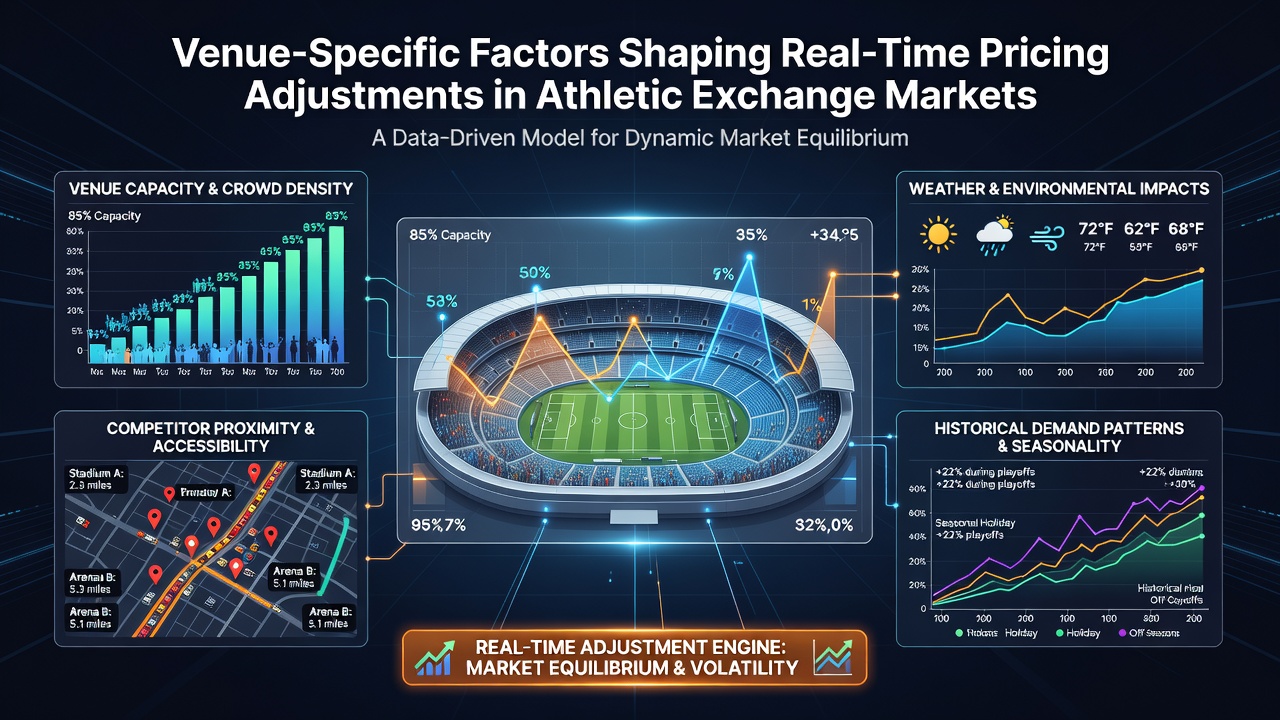
Stadium architecture, surface composition, and elevation levels combine to alter athlete performance metrics, which in turn prompt rapid recalibrations across athletic exchange platforms where traders monitor and update contract values second by second. Observers note that these venue elements create measurable deviations from baseline expectations, so exchange algorithms and human participants adjust odds accordingly while events unfold. Research from sports analytics groups shows that factors such as pitch hardness or court dimensions produce statistical outliers that traders incorporate into live models.
Physical Layout and Its Effect on Market Movements
Dimensions of playing fields or courts vary between venues, and these differences influence scoring rates along with injury probabilities, leading traders to revise positions faster than in standardized environments. A narrower soccer pitch reduces crossing opportunities, for instance, which data from multiple European leagues links to lower goal tallies, so exchange prices on over-under markets shift within minutes of kickoff once the layout becomes apparent. Altitude adds another layer because thinner air at high-elevation sites decreases endurance and alters ball flight patterns, prompting traders to monitor respiratory metrics and adjust contract values in real time.
Weather, Surface, and Crowd Dynamics
Local weather conditions interact with venue roofing or drainage systems to change friction levels on tracks or fields, and exchange participants track these variables through sensor feeds that update continuously. Research indicates that rain on an uncovered tennis court slows ball speed and favors baseline players, which traders factor into point-spread contracts by widening or narrowing margins almost immediately after precipitation begins. Surface temperature also matters because synthetic tracks expand differently than natural grass, creating grip variations that studies from athletic performance laboratories connect to altered sprint times and subsequent price volatility.
Crowd density and acoustic properties of enclosed arenas amplify or dampen player focus, while open-air stadiums allow wind patterns to affect trajectory sports such as baseball or golf. Traders who follow decibel readings and wind-speed data notice that home-team advantages intensify in louder venues, resulting in quicker upward movements on home-win contracts once the match starts. These environmental inputs reach exchange systems through multiple data streams, enabling both automated bots and manual scalpers to recalibrate bids without delay.

Regional Examples and Data Patterns
September 2026 fixtures across North American and Australian venues highlighted how dome versus open-air designs produced divergent scoring distributions in gridiron and rugby codes, with exchange volume spiking on totals markets when roofs remained open during variable conditions. Figures from the Australian Sports Commission reveal that covered stadiums maintained more consistent scoring outputs, allowing traders to stabilize prices earlier than in exposed locations where sudden gusts disrupted kicking accuracy. Similar patterns appear in Canadian hockey arenas, where thinner ice sheets at certain facilities correlate with higher shot volumes and faster line-movement on player-prop contracts.
Exchange operators integrate venue-specific historical datasets into their platforms so that pre-match baselines already embed average adjustments for altitude or humidity, yet live deviations still trigger additional waves of activity once actual conditions deviate from norms. Those who study these markets observe that the speed of price discovery increases when multiple factors overlap, such as high altitude combined with low humidity, because performance forecasts become less reliable and require constant revision.
Technology Supporting Real-Time Updates
Modern exchange interfaces pull live telemetry from venue sensors and broadcast overlays, which allows participants to compare current conditions against stored benchmarks and execute trades within fractions of a second. Academic papers published through the International Journal of Sports Science document how machine-learning models trained on venue metadata improve prediction accuracy, yet human oversight remains essential when unexpected elements like sudden temperature drops emerge mid-event. These systems reduce latency between observation and price change, keeping exchange liquidity responsive throughout each contest.
Conclusion
Venue characteristics continue to shape the velocity and direction of pricing adjustments on athletic exchanges because physical and atmospheric variables directly modify performance distributions that traders must price continuously. Data streams from stadium instrumentation feed these platforms, enabling both rapid automated responses and informed manual interventions. As sensor networks expand and historical datasets grow more granular, exchange participants gain additional tools for anticipating how local conditions will influence contract values during live play.