BGC Rejects SMF Proposal to Double Machine Games Duty from 20% to 40%
Ben Schwarz · Jul 8, 2026

BGC Rejects SMF Proposal to Double Machine Games Duty from 20% to 40%
The Betting and Gaming Council has pushed back against a Social Market Foundation proposal that would double Machine Games Duty from 20% to 40%, and the organization laid out several specific objections in its formal response. Observers note the BGC argued that the underlying report rests on flawed assumptions while it overlooks key differences between venues and existing consumer protections already in place.
Core Objections Raised by the BGC
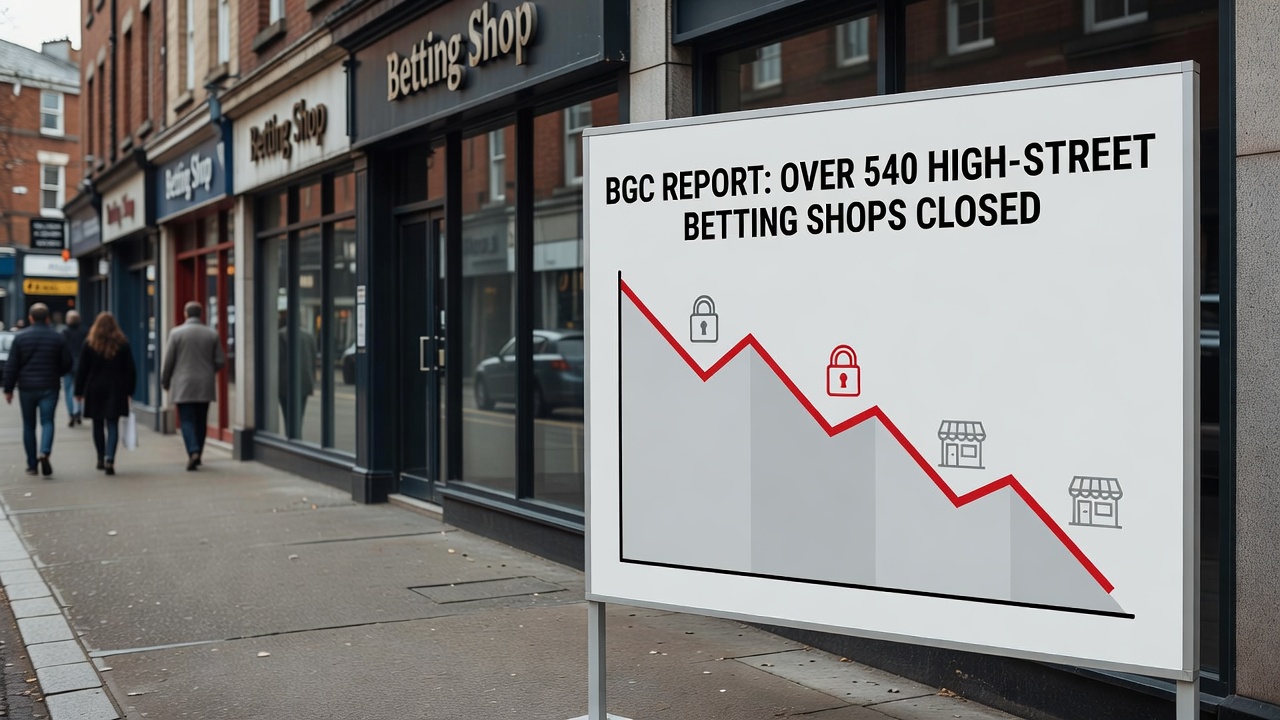
Those who've reviewed the BGC statement point out that the council highlighted the absence of any quantification around potential job losses, venue closures, or wider effects on high streets and communities. The response stresses that such a tax increase could shift activity toward the illegal market without delivering effective harm reduction, and CEO Grainne Hurst emphasized this risk directly when addressing the proposal.
Researchers and industry analysts familiar with the sector often note how machine gaming operates within tightly regulated environments that already incorporate multiple layers of player safeguards. The BGC response draws attention to these frameworks and suggests the SMF analysis does not fully account for them when modeling behavioral changes after a duty hike.
Employment and Local Economy Context
Data tied to the response indicates the betting and gaming sector supports approximately 109,000 jobs across the UK, with many of these roles tied directly to venue operations that rely on machine gaming revenue. The BGC statement connects these employment figures to broader contributions in local economies, particularly in areas where high street venues serve as community anchors.
Figures reveal that abrupt tax changes without corresponding impact assessments could accelerate venue rationalization in regions already facing retail pressures. The council's position underscores that communities dependent on these locations for both employment and footfall would face knock-on effects that the SMF report leaves unexamined.
Distinctions Between Legal and Illegal Markets
What's notable is how the BGC response frames the potential migration of play toward unregulated operators once duty reaches 40%. Grainne Hurst stated that the tax increase would primarily benefit the illegal market, and the council's analysis suggests enforcement challenges would intensify if licensed venues lose competitiveness.
Those who've studied similar duty adjustments in other jurisdictions often discover that price-sensitive consumers respond by seeking out unlicensed alternatives rather than reducing participation. The BGC submission uses this pattern to argue that the SMF proposal underestimates displacement effects while overestimating revenue gains for the Treasury.
Venue Differences and Regulatory Realities
Experts have observed that machine gaming venues vary significantly in size, location, and customer base, yet the SMF modeling treats them as a uniform category. The BGC response calls out this simplification and notes that consumer protection measures already differ by venue type, making blanket duty increases less targeted than the report implies.
And the council points out that existing regulations require operators to implement affordability checks, session limits, and staff training programs that the SMF analysis does not integrate into its projections. This omission, according to the BGC, leaves the report's conclusions about harm reduction incomplete.
Timing and Ongoing Policy Discussions
By July 2026 policy conversations around machine gaming taxation continue to reference the SMF proposal and the BGC's detailed rebuttal. Stakeholders on both sides reference the same core documents while debating how any duty adjustment would interact with wider economic conditions affecting high streets.
The response from the BGC has been cited in subsequent submissions to government consultations, where representatives emphasize the need for comprehensive impact assessments before duty rates change. Observers note that the 109,000 jobs figure remains a recurring data point in these exchanges because it illustrates the scale of employment tied to the sector.
Conclusion
The BGC's rejection of the SMF proposal centers on three main pillars: flawed assumptions in the modeling, insufficient attention to venue-specific factors and consumer protections, and the lack of quantified projections for job losses or community impacts. Grainne Hurst's statements reinforce the council's view that a 40% duty rate would primarily advantage illegal operators rather than reduce harm. The sector's reported support for roughly 109,000 jobs and its role in local economies form the factual backdrop against which these arguments are presented, and the exchange continues to shape discussions around machine gaming taxation into the second half of 2026.