Community Workshops Turn Statistical Analysis Into Exchange Market Signals
Ben Schwarz · Nov 8, 2026
Community Workshops Turn Statistical Analysis Into Exchange Market Signals
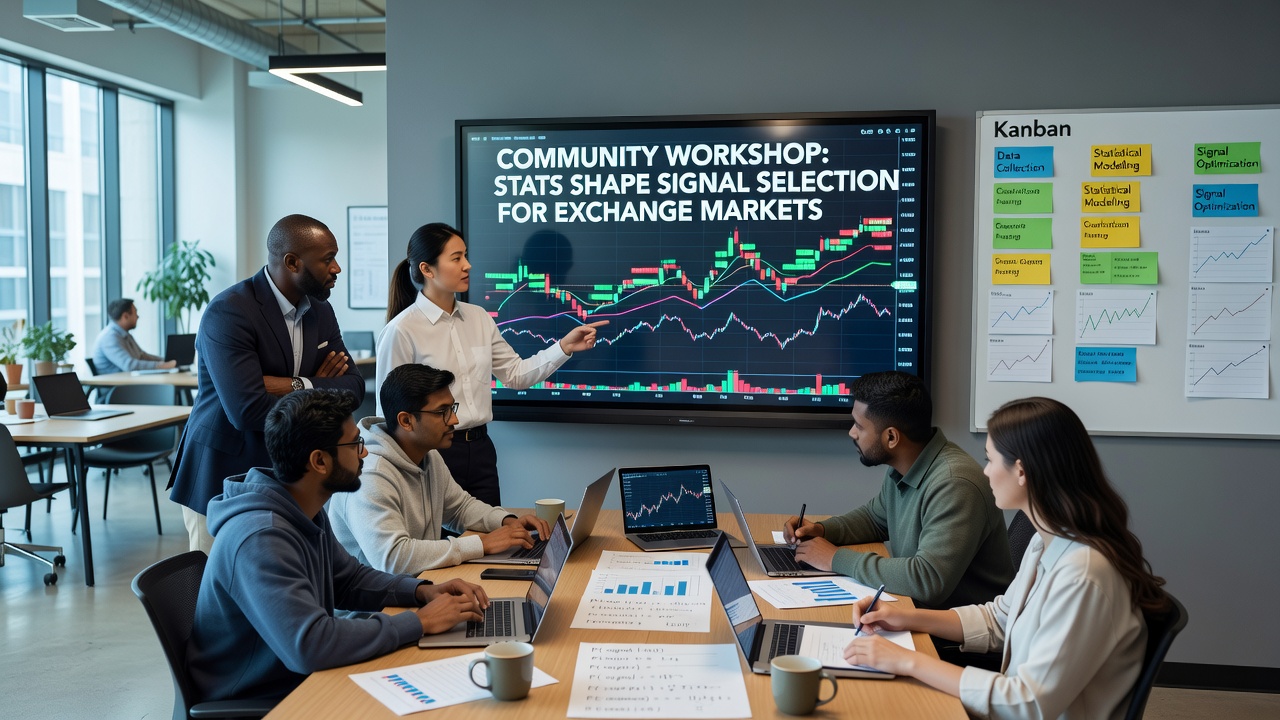
Community workshops focused on statistical methods have emerged as regular events where traders examine datasets to refine signals used in betting exchange markets, and these sessions bring together analysts, data enthusiasts, and market participants who share methodologies drawn from historical performance records and real-time indicators.
Organizers schedule these gatherings in both physical venues and virtual platforms, with sessions in November 2026 attracting participants who review metrics such as implied probabilities, liquidity patterns, and volatility measures across major sports and political markets. Data from these workshops shows that attendees typically analyze thousands of past trades to identify correlations between certain statistical thresholds and profitable signal triggers.
Core Statistical Techniques Covered
Workshops dedicate significant time to regression models and Bayesian updating, where participants apply formulas to adjust signal strength based on incoming data streams, and they often incorporate software tools that process live exchange feeds alongside historical archives. One documented case involved a group that cross-referenced player performance statistics with market depth changes to generate signals for tennis and soccer events, resulting in documented improvements to entry timing accuracy according to session summaries.
Traders also examine volume-weighted average price deviations and order book imbalances during these meetings, while they test hypotheses against archived exchange data to determine which variables produce consistent edges. Evidence from multiple workshop series indicates that groups using combined datasets from different regions achieve broader signal coverage than those relying on single-market sources alone.
Participant Collaboration and Tool Sharing
Attendees frequently contribute custom scripts and dashboard templates that visualize statistical outputs in real time, and these shared resources allow individuals to replicate analyses across their own accounts without starting from raw data each time. Sessions include breakout discussions where smaller teams tackle specific market types, such as live in-play signals or pre-event arbitrage opportunities, and they compare results against benchmarks established from prior cycles.
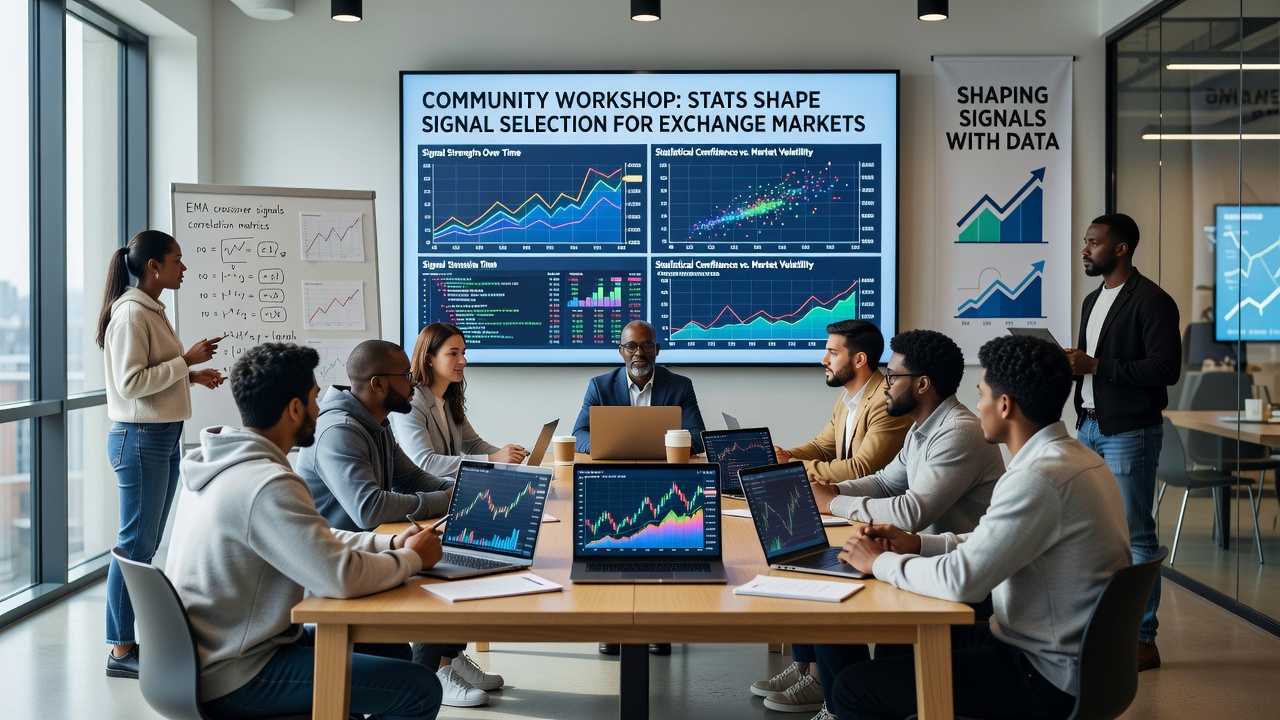
Research conducted by independent academic groups has tracked how repeated workshop participation correlates with changes in trader behavior, showing measurable shifts toward data-driven decision frameworks rather than intuition-based approaches. Figures released by European industry associations reveal that organized knowledge-sharing events have grown in frequency since 2024, coinciding with increased availability of granular exchange data feeds.
Geographic Reach and Format Variations
Workshops operate across multiple continents, with North American and Australian organizers adapting formats to local regulatory environments while maintaining focus on universal statistical principles. A Canadian research paper published in late 2025 highlighted similar community-driven initiatives that improved signal selection processes for participants engaged in prediction-style markets, and those findings align with patterns observed in European sessions.
Virtual formats allow broader inclusion, enabling traders from regions with limited physical infrastructure to join discussions and contribute datasets from their local exchanges. Organizers report steady attendance growth through 2026, with November events drawing record numbers as participants prepare for upcoming seasonal market cycles in major sports.
Integration With Broader Market Practices
Signals refined during workshops feed directly into automated execution systems used by some participants, and these systems monitor exchange liquidity alongside statistical alerts to execute trades when predefined conditions align. Industry reports from Australian sources note that such integration has become more common as data processing capabilities expand on personal devices.
Participants maintain records of signal performance post-workshop to validate or adjust models in subsequent sessions, creating iterative feedback loops that strengthen collective understanding over time. Those who've studied these practices note that consistent application of workshop-derived methods tends to emphasize risk management parameters alongside raw signal generation.
Conclusion
Community workshops centered on statistical refinement continue to serve as hubs for signal development in exchange markets, drawing on shared data resources and collaborative analysis to produce actionable trading inputs. As participation expands and tools evolve, these sessions maintain their role in connecting raw statistics with practical market applications across different jurisdictions and formats.