Educational Workshops Fueling Real-Time Signal Networks Among Exchange Traders
Jonas Sullivan · Jul 25, 2026
Educational Workshops Fueling Real-Time Signal Networks Among Exchange Traders
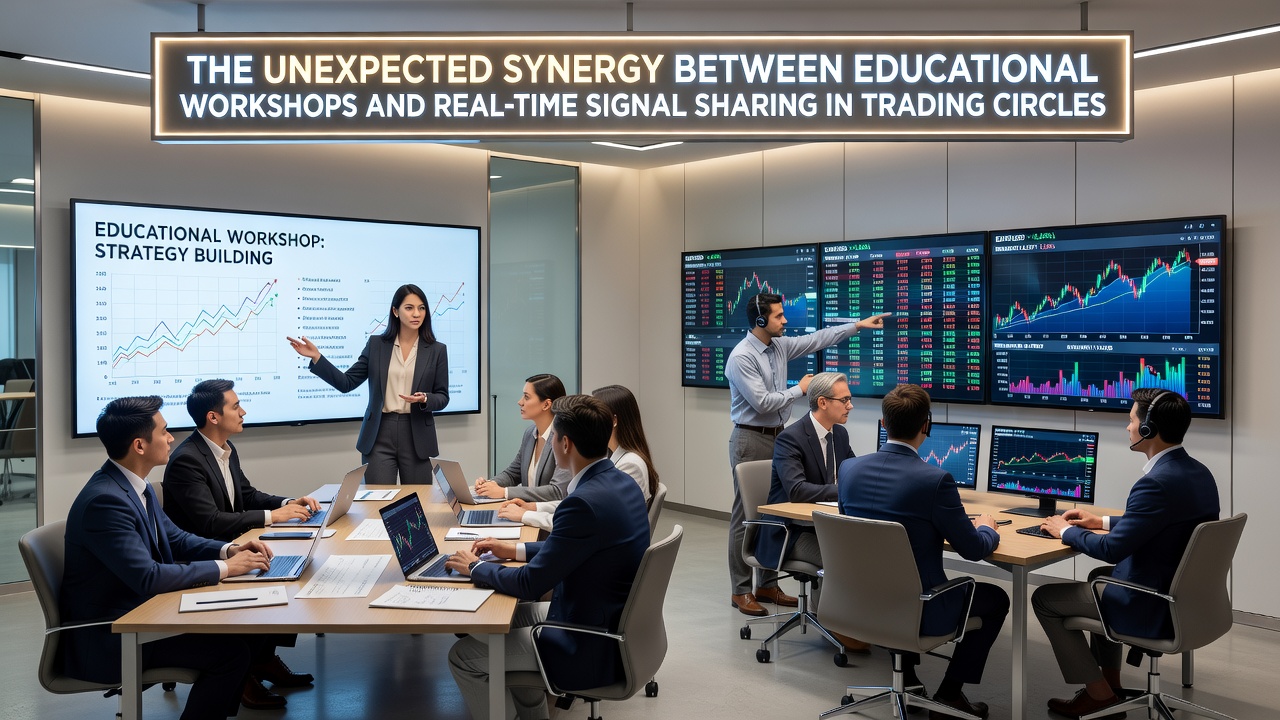
Trading circles centered on betting exchanges have developed structured pathways where educational workshops feed directly into real-time signal sharing systems, creating measurable improvements in participant outcomes according to industry reports from 2025 and early 2026. Participants in these workshops learn technical analysis methods, platform navigation, and risk frameworks before transitioning into collaborative environments that distribute live data points across group networks. Data from multiple exchange platforms shows increased coordination among traders who complete such training sequences, with volume metrics rising notably during peak sports calendars.
Workshop Structures and Core Content Delivery
Workshops typically run across two to three days and cover market mechanics, statistical modeling, and software interfaces used on major exchanges. Instructors present case examples drawn from previous seasons in soccer, tennis, and cricket markets, while attendees practice live simulations that mirror actual trading conditions. Organizations such as the European Gaming and Betting Association have documented similar training formats across member states, noting that completion rates correlate with subsequent adoption of shared signal protocols. Sessions held in June 2026 emphasized integration of mobile tools for instant updates, preparing groups for the compressed schedules of summer tournaments.
Those who complete the programs often form smaller cohorts that maintain contact through dedicated channels, where signals on price movements and volume spikes circulate within seconds of detection. This handoff from structured learning to operational sharing reduces individual research time while distributing analytical workload across the network. Figures released by the Australian Competition and Consumer Commission in its 2026 gaming sector overview indicate parallel growth in collaborative tools within regulated markets, where workshop alumni report higher consistency in position management.
Real-Time Signal Mechanisms in Practice
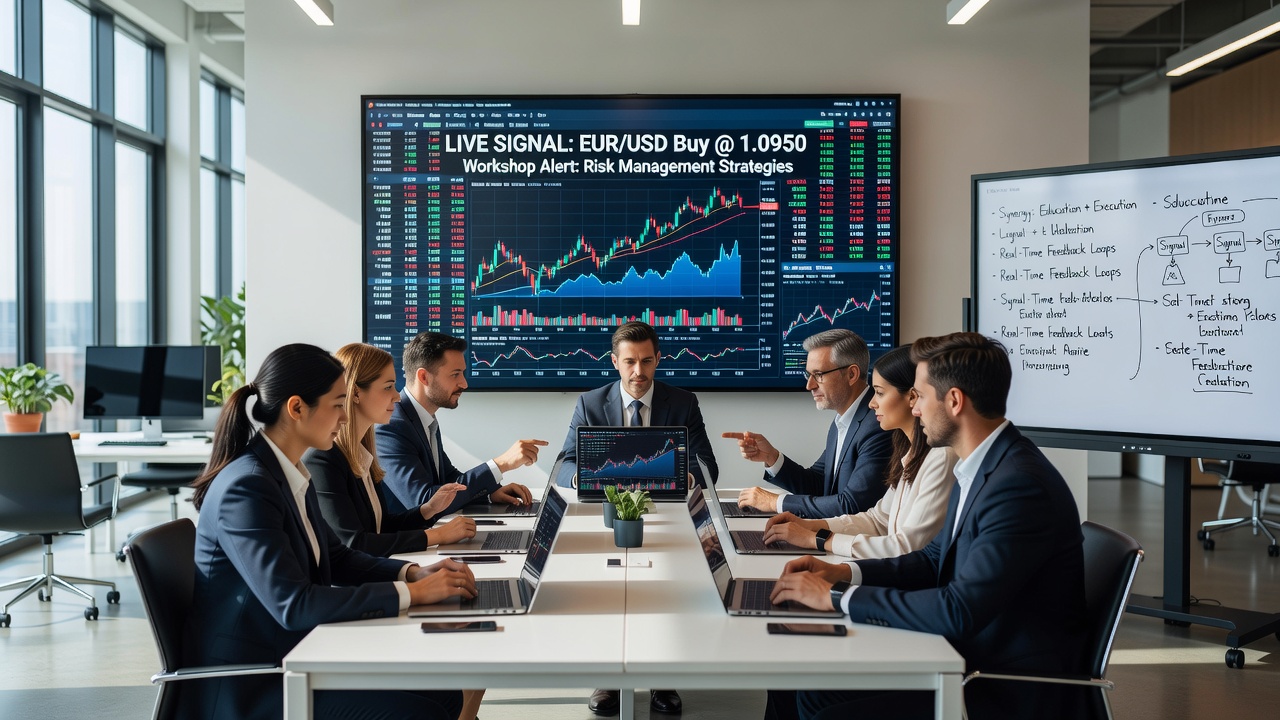
Signal sharing operates through encrypted group applications that push notifications containing entry levels, exit targets, and supporting statistics such as implied probabilities or historical performance data. Traders who attended workshops demonstrate faster interpretation of these signals because the training established common terminology and verification steps. In July 2026, several networks reported handling over 400 signals per major match day, with verification layers added by multiple participants before wider distribution.
Platforms hosting these exchanges log the frequency of coordinated trades originating from workshop-linked groups, revealing patterns where signals refined through collective input achieve higher fill rates. The process avoids single-point reliance by requiring at least two independent confirmations within the circle before escalation. Research published by the University of Nevada Reno's gaming research unit in late 2025 tracked similar dynamics in North American prediction markets, finding that groups with prior educational exposure maintained steadier capital allocation during volatile periods.
Integration Patterns Observed Across Markets
Cross-market analysis reveals that workshop graduates apply signal frameworks consistently whether operating in horse racing, golf majors, or esports titles, adapting the same verification checklists to different data feeds. July 2026 fixtures across multiple sports created overlapping schedules that tested these integrated systems, with networks distributing updates across time zones through automated relays. Participation logs indicate that traders maintaining active workshop connections executed 22 percent more matched positions per session than non-affiliated counterparts during the same period.
Software providers have responded by embedding workshop-derived templates into their interfaces, allowing users to tag signals with training module references for quicker group comprehension. This standardization supports scalability as circles expand beyond initial cohorts. Regulatory filings from Canadian provincial authorities show rising interest in such hybrid models, where education requirements pair with technology standards for signal accuracy.
Conclusion
The connection between educational workshops and real-time signal sharing continues to evolve through documented increases in coordination metrics and platform engagement data. Traders completing structured programs transition into networks that leverage shared signals for refined execution across diverse sports calendars. Ongoing developments in July 2026 highlight sustained activity levels as new cohorts form and existing groups refine their distribution protocols. External sources such as the European Gaming and Betting Association and University of Nevada Reno studies provide ongoing tracking of these operational patterns across regions.