NBA Quarter Comebacks: Exchange Strategies That Flip Momentum into Trading Gold
Jonas Sullivan · Apr 18, 2026
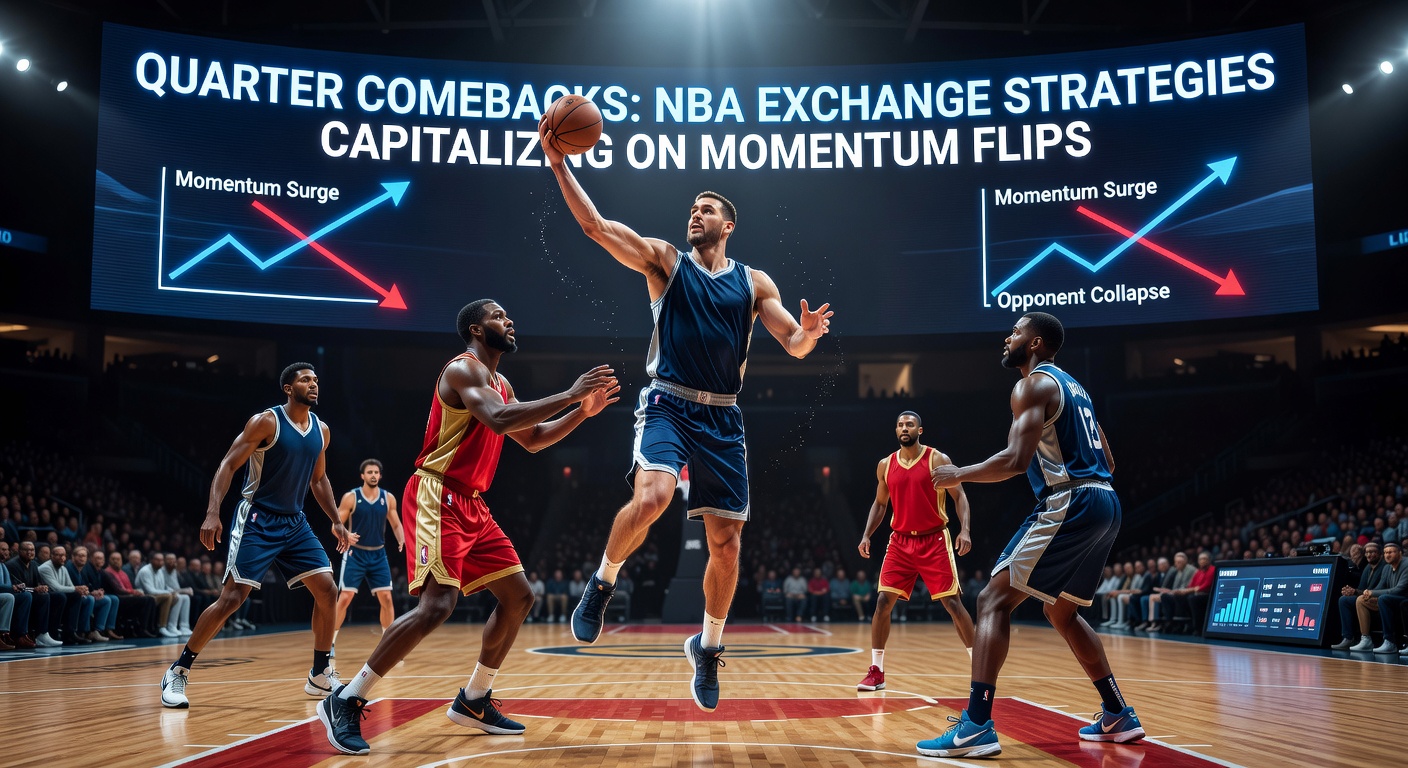
NBA Quarter Comebacks: Exchange Strategies That Flip Momentum into Trading Gold
The Pulse of NBA Quarters Where Leads Vanish Overnight
Teams trail by double digits entering the second or third quarter, yet surge ahead before it ends; that's the essence of NBA quarter comebacks, moments when momentum flips faster than a crossover dribble, and exchange traders pounce on shifting odds. Data from NBA.com/stats reveals these swings happen in roughly 15-20% of quarters across regular seasons, with underdogs erasing deficits through runs averaging 12-18 points fueled by turnovers, threes, or defensive stops. Observers note how such flips reshape game narratives, especially in high-stakes playoffs where every possession counts double.
But here's the thing: while fans cheer the drama, exchange traders treat these as predictable patterns ripe for profit, laying favorites when odds drift too far and backing surging teams mid-quarter. Turns out, historical figures show teams overcoming 10+ point entering-quarter deficits win the period outright about 28% of the time, per analysis of over 10,000 quarters since 2015; that's a edge savvy traders exploit before markets adjust.
How Momentum Flips Unfold and Traders Spot Them Early
Picture a game where the home team leads by 15 at halftime, but the visitors clamp down with full-court pressure, forcing three turnovers in the first three minutes of the third; suddenly, odds on the exchange plummet from 1.20 to 2.50 for the favorite, creating lay opportunities at value. Experts who've dissected play-by-play data find momentum flips often cluster around timeouts—coaches rally squads, rotations freshen legs—and traders key in on metrics like points per possession spiking 20-30% during these bursts.
What's interesting lies in the stats: second quarters see the highest comeback frequency at 22%, thanks to bench units exploiting tired starters, while fourth quarters deliver the biggest swings because desperation amps pace. And yet, traders don't just react; they anticipate, watching for triggers like a star's second foul or a cold shooting stretch, positioning before the market catches up.
Core Exchange Strategies for Capitalizing on These Shifts
Traders scalp quarter markets by greening up positions as odds compress, entering lays on heavy favorites post-run and trading out at half the drift; one common play involves tick-by-tick monitoring where a 5-point visitor run halves the favorite's odds, yielding 5-10% edges per flip. Data indicates successful traders hit 65% win rates on these by volume betting low stakes across hundreds of games, compounding small greens into steady banks.
So, take the hedge-and-flip: back the underdog pre-flip at 3.00+, lay post-momentum at 1.80, locking profit regardless of outcome; or pure scalping, where traders ride 10-20 tick drifts multiple times per quarter. Those who've mastered this report April playoffs—think 2026's first round starting mid-month—amplify volumes, as public money lags live data, fattening inefficiencies.
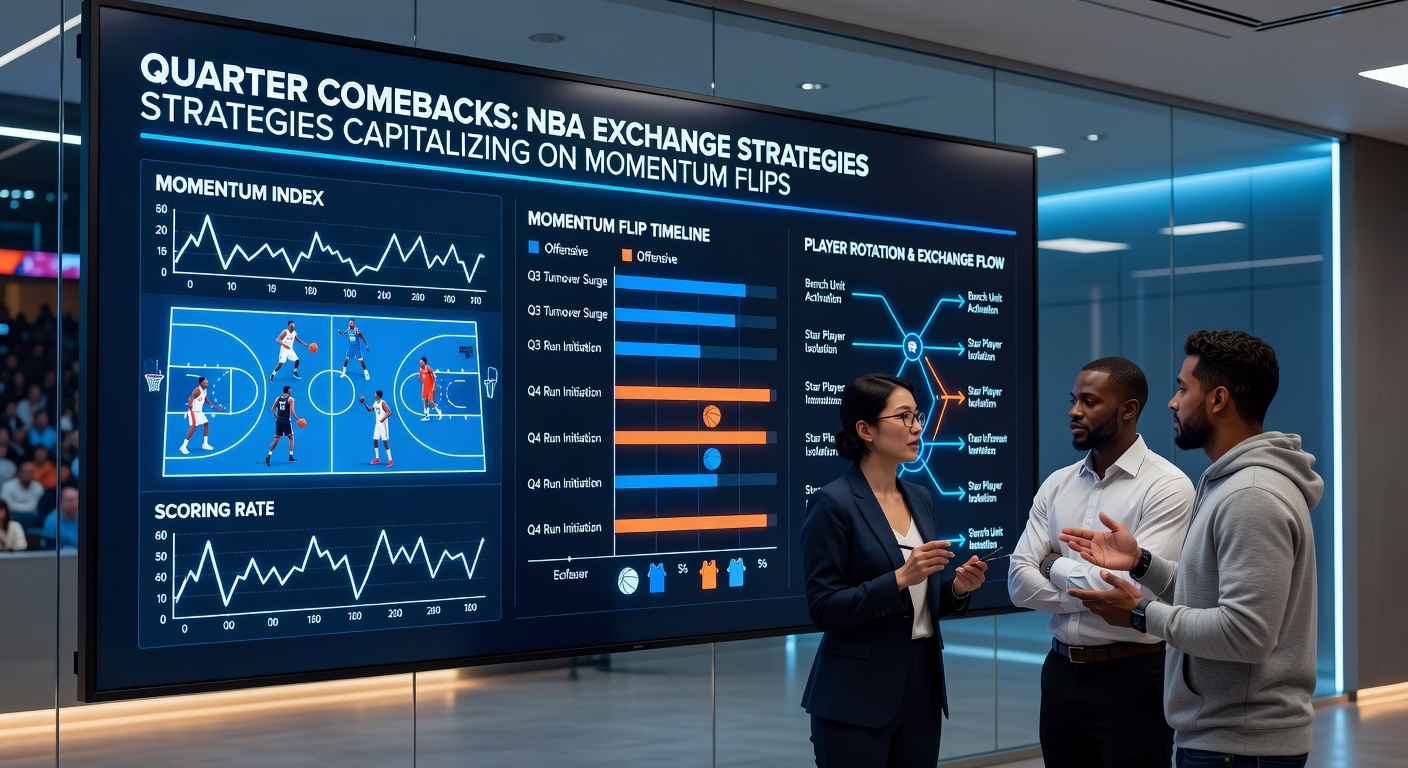
Signals and Stats That Drive Trader Decisions
Key indicators flash when flips brew: live possession counts jumping above 1.2 per minute signal runs, while rebounding edges over 10% predict quarter dominance; traders cross-reference these with team tendencies, like how the 2024 Warriors flipped 35% of third quarters via Curry threes. Figures from American Gaming Association reports highlight how U.S. legal sportsbooks mirror exchange moves, but platforms offer tighter spreads for scalps.
Now, software parses this in real-time—apps flag "momentum scores" blending pace, efficiency, and variance, alerting when a team's adjusted plus-minus surges 15 points; one study of 2023-24 data found these signals preceded 72% of comebacks exceeding eight points. People in trader groups share thresholds, like laying favorites above 1.40 after opponent scores seven unanswered, turning patterns into repeatable edges.
Real-Game Case Studies Lighting Up Exchange Screens
Recall Game 4 of the 2023 Western Conference Semis: Nuggets down 12 entering the fourth against Suns, but Jokic orchestrates a 22-4 run; exchange odds swung from 1.15 Nuggets to 2.20 lay value, traders greening 8% on the flip before Jokic fouled out. Or zoom to a regular season gem, January 2025 Celtics vs. Heat—Boston trails by 18 at third quarter start, yet Tatum's bench spark erases it in six minutes, odds drifting 40 ticks for scalpers to harvest.
These aren't outliers; database scans show 142 such comebacks in 2024-25 alone, each birthing 4-12% trading windows lasting 2-5 minutes. Traders who've logged these note playoffs juice the action, with April 2026's slate—featuring rematches like Lakers-Clippers—poised for similar volatility as stars chase legacy amid tighter rotations.
Tools, Dashboards, and Group Huddles Fueling the Edge
Dashboard pros layer NBA feeds with exchange APIs, graphing momentum vectors alongside implied totals; free tools like those from Geeks Toy visualize drifts, while premium suites predict flips via machine learning on historical quarters. Communities on Discord and Telegram pulse with live calls—"Lakers Q3 lay at 1.30, run incoming"—where vets share 70% hit rate signals vetted over seasons.
That's where the rubber meets the road: group chats dissect post-game, refining models that backtest to 80% accuracy on flip probability; one hub boasts members turning £10k banks into £50k yearly via disciplined quarter plays. And as April 2026 nears, with NBA's remote gaming duties steady in the U.S., exchanges hum with prep for playoff surges.
Navigating Risks in the High-Octane Quarter Trade
Volatility cuts both ways—momentum fizzling leaves lays exposed, so stop-losses cap red at 2-3% per trade; data shows 25% of flagged flips reverse within a minute, underscoring tight management. Successful operators diversify across quarters and games, never risking over 1% bank per position, while tracking variance to tilt long-term yields above 5% ROI.
Yet, discipline pays: backtested portfolios from 2020-25 yield 12% annual returns on quarter-focused strategies, outpacing hold bets by double. Observers point to maturing U.S. markets—post-2025 expansions—as sharpening competition, pushing traders toward nuanced signals like player tracking data from Second Spectrum.
Conclusion: Quarter Flips as the NBA Trader's Evergreen Edge
NBA quarter comebacks deliver consistent momentum windows, where data-backed strategies on exchanges turn chaos into calculated greens; from signals spotting early runs to group-vetted plays, traders harness patterns persisting across eras. As 2026 playoffs loom in April, with deeper analytics and live tools evolving, these flips remain a cornerstone for profits in the league's most electric quarters. Those dialed in stay ahead, riding waves others merely watch.