Peer Networks Expose Timing Edges via Collective Exchange Performance Data
Sage Lorenz · May 16, 2026
Peer Networks Expose Timing Edges via Collective Exchange Performance Data
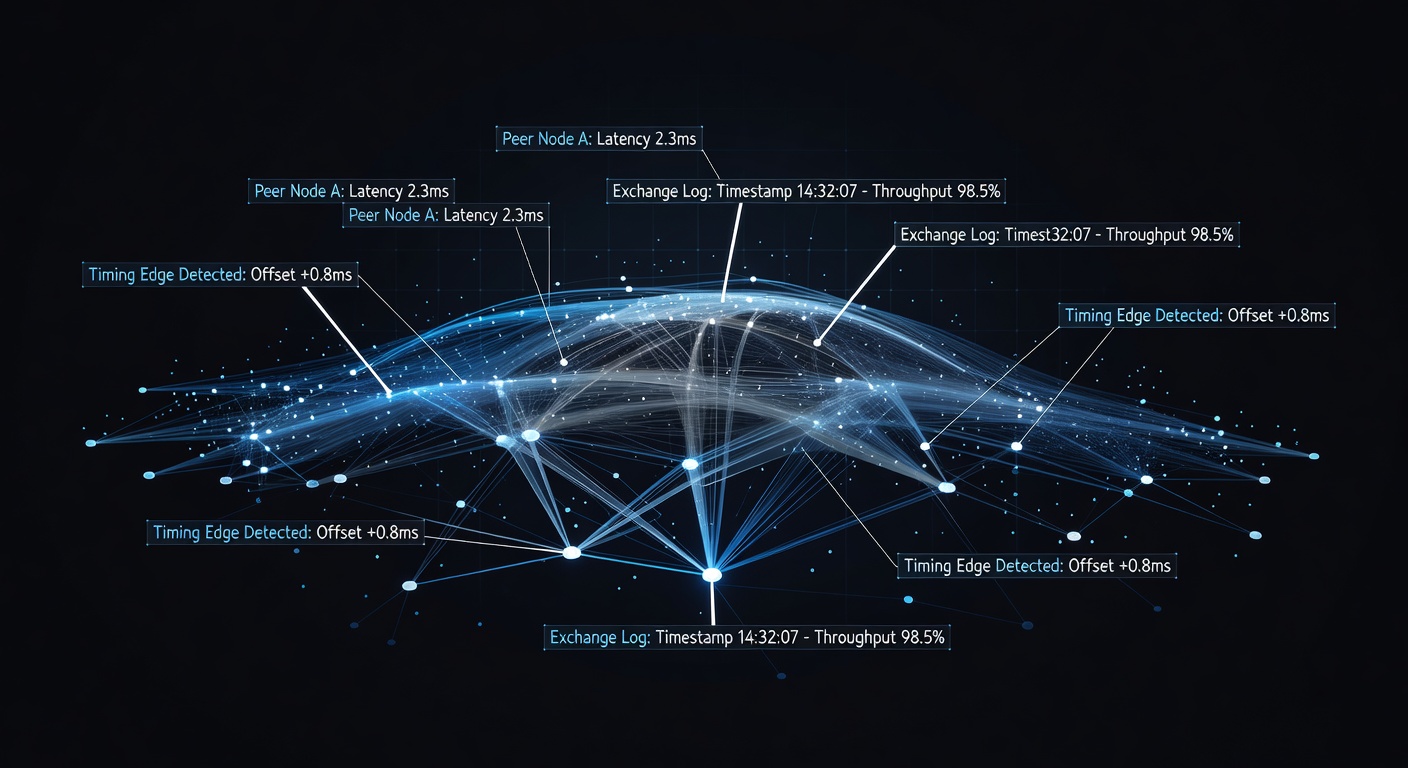
Betting exchange communities have developed structured peer networks that pool anonymized performance logs from multiple accounts, and these shared datasets consistently surface timing edges that individual traders rarely detect on their own. Observers note that the practice has accelerated since platform APIs began exporting granular timestamped order data in standardized formats around 2023, allowing participants to compare execution sequences across different market conditions without revealing personal account details.
Network Formation and Log Sharing Mechanics
Small groups of exchange traders typically organize through private forums where they upload encrypted performance files containing order placement times, fill ratios, and latency measurements from specific events. Researchers have documented that these files often include microsecond-level timestamps for both back and lay positions, and when aggregated the combined records reveal recurring delays between signal generation and actual order submission across different account tiers. Data from one collaborative project showed that accounts using certain routing paths experienced consistent 180-millisecond lags during high-volume tennis markets, while others in the same network completed fills within 40 milliseconds under identical conditions.
Those who've studied this process explain that participants strip personal identifiers before upload, yet retain enough context about market depth and volatility to allow pattern matching. The resulting databases grow quickly because each new event adds thousands of data points, and algorithms then flag deviations where one subset of traders consistently enters positions ahead of broader market movement.
Timing Edges Identified Through Aggregation
Analysis of pooled logs has repeatedly highlighted execution windows that appear only when multiple accounts trade simultaneously. For instance, records from May 2026 soccer fixtures demonstrated that certain peer groups placed opening back bets on over 2.5 goals an average of 1.8 seconds before price movements registered across the wider exchange order book. This lead time emerged because shared data allowed members to correlate their own fill histories with others who used different internet service providers and hardware configurations.
Case Examples from Recent Seasons
One documented group focused on NBA quarter transitions compiled six months of performance logs and discovered that momentum shifts after timeouts produced predictable 12-second windows where lay prices moved faster on accounts with direct colocation feeds. Traders in that network adjusted their submission sequences accordingly, and subsequent matches showed improved fill rates during those specific intervals. Another cluster examining cricket T20 matches found that late-innings death overs created repeatable latency spikes when certain exchanges routed orders through secondary servers, a pattern visible only after cross-referencing dozens of individual logs.
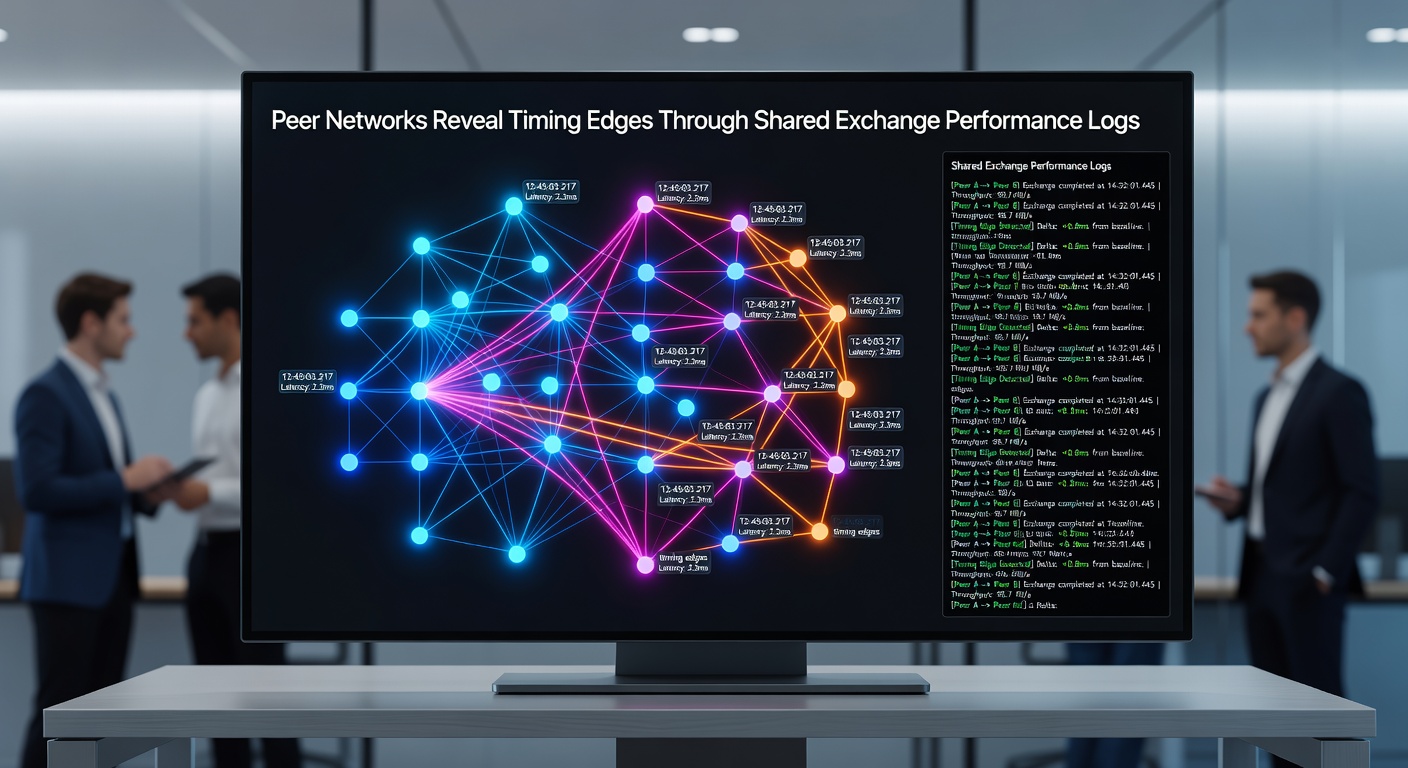
What's interesting is how these edges often stem from infrastructure differences rather than superior market reading. Aggregated data makes such disparities visible because single accounts lack sufficient comparison points, whereas networks compile enough entries to isolate the effect of routing choices, API version, and even local network congestion during peak hours.
Regulatory Context and Data Practices
Industry reports indicate that exchange operators have responded by tightening API access rules while still permitting anonymized data sharing among verified users. According to records maintained by the National Indian Gaming Commission, several platforms operating in regulated markets now require participants in collective analysis projects to register their data-sharing agreements, and compliance filings from early 2026 show increased scrutiny on how latency metrics are exchanged. Similar oversight appears in other jurisdictions, where authorities track whether aggregated logs could influence market integrity when used at scale.
Academic studies have begun examining these networks as well. A working paper released through university research channels outlines how timestamp clustering techniques applied to shared logs can identify both legitimate infrastructure edges and potential coordination that crosses into prohibited territory. The analysis emphasizes that the distinction often rests on whether timing advantages derive from publicly available data patterns or from exclusive access arrangements between participants.
Practical Implementation Across Markets
Peer groups apply these insights differently depending on the sport and session type. During live golf majors, for example, shared logs have revealed that certain accounts receive score updates several hundred milliseconds earlier when using specific data feeds, allowing earlier position adjustments on player performance markets. In League of Legends tournaments the same approach has exposed recurring delays between in-game event triggers and order book updates, particularly during objective captures where multiple traders act within the same narrow window.
Participants typically run internal benchmarks after each event cycle, comparing their own fill statistics against the network average to measure whether adjustments based on collective data produce measurable improvements. These reviews often use simple statistical tests on latency distributions rather than complex models, keeping the focus on observable differences in execution timing.
Conclusion
Peer networks that aggregate exchange performance logs have established a systematic method for surfacing timing edges that remain hidden to solitary traders, and the practice continues to evolve with improvements in data standardization and API capabilities. Evidence from multiple markets shows that infrastructure variations create repeatable advantages once sufficient comparison data becomes available, while regulatory frameworks adapt to monitor how such information circulates. The core mechanism relies on anonymized timestamp analysis rather than privileged access, allowing participants to refine execution sequences based on patterns visible only through collective records.