Rugby Traders Tap Forum Waves for Edge in International Fixtures
Felix Lorenz · Jun 22, 2026
Rugby Traders Tap Forum Waves for Edge in International Fixtures
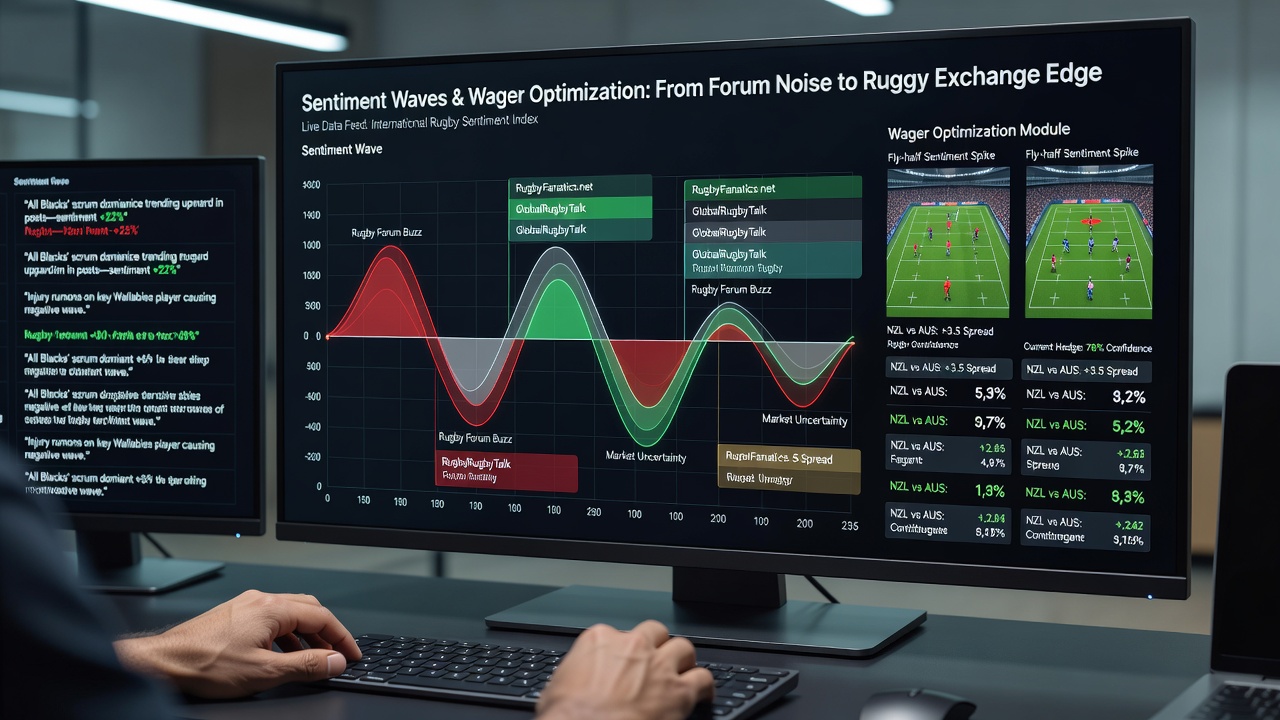
Online forums dedicated to rugby have become data sources for those active on international match exchanges, where sentiment shifts often precede market adjustments in odds for fixtures such as the Six Nations or Rugby Championship. Observers note that participants compile posts, upvotes, and comment threads into wave patterns that reflect collective expectations around team performance, injury impacts, and tactical adjustments, then cross-reference those patterns against exchange liquidity to time entries and exits.
Building Sentiment Datasets from Rugby Communities
Forum operators maintain archives that stretch back multiple seasons, allowing analysts to tag discussions by match, player, and outcome probability, while tools scrape volume spikes around key announcements like squad selections or weather forecasts at venues. Researchers discovered that spikes in positive language toward underdog sides correlate with temporary liquidity imbalances on exchanges, because casual participants tend to overcommit in one direction before professional traders step in to balance books. Data shows these patterns emerge most clearly in the 48-hour window before kickoff, when forum activity peaks and exchange volumes rise in tandem.
Linking Sentiment Waves to Exchange Price Action
Traders map rising optimism in threads about a southern hemisphere side's forward pack to widening spreads on handicap markets, then wait for reversal signals once counter-threads gain traction. Studies found that combining forum-derived sentiment scores with real-time exchange depth charts produces tighter entry points than either dataset alone, because forum momentum frequently leads price discovery on lower-liquidity international fixtures. Those who've studied this know the process involves weighting recent comments more heavily than older ones, since recency captures late-breaking information such as confirmed starting lineups or travel delays.
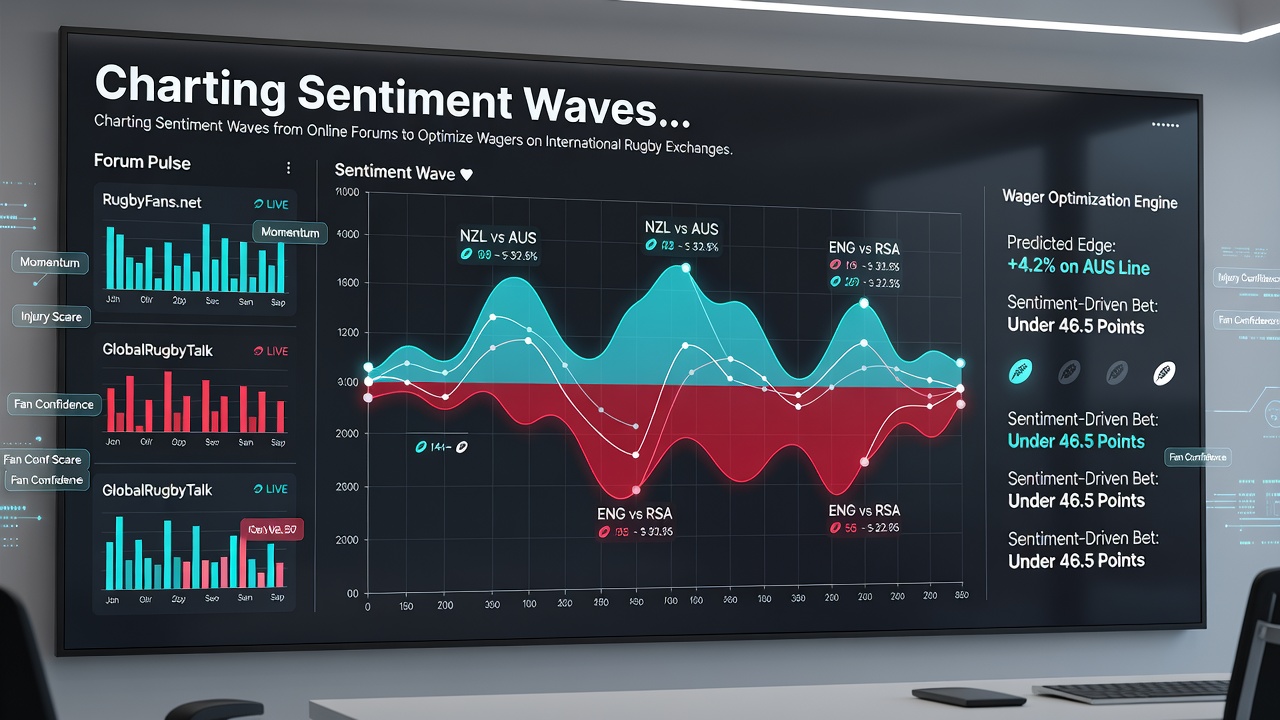
June 2026 schedules include mid-year tests between tier-one nations, and preliminary forum activity already shows concentrated discussion around forward battle outcomes that historically drive total points markets. Exchange operators report increased order flow during these periods, with sentiment-derived signals helping participants identify when public bias inflates one side of a spread.
Practical Application Across Major Competitions
Take one researcher who examined 2025 Rugby Championship threads and found that sustained negative sentiment toward a home team's set-piece accuracy preceded profitable lay positions on the exchange once early match stats confirmed the pattern. Another case revealed experts found that cross-forum consensus on a fly-half's kicking accuracy translated into stable back prices until in-play adjustments altered the value. Observers note that successful practitioners maintain separate trackers for different competitions, because forum demographics shift between northern and southern hemisphere events, altering the speed at which sentiment translates into price movement.
Figures reveal that exchanges handling rugby see higher volatility on handicap lines when forum sentiment diverges from opening bookmaker prices, creating windows where mean-reversion trades become viable. Those monitoring multiple platforms simultaneously often flag when one forum begins echoing another, because coordinated sentiment waves can accelerate price moves across related markets such as try-scorer specials and match totals.
Tools and Methods for Wave Charting
Software packages now ingest forum APIs directly, applying natural language models to score posts on scales that range from strong home favoritism to neutral or contrarian views. According to industry reports from the Australian Wagering Council, adoption of these tools among exchange users has grown steadily since 2024, driven by the need to process higher volumes of discussion data ahead of compressed international calendars. Users configure alerts that trigger when sentiment velocity exceeds historical thresholds, then verify those triggers against exchange order flow before committing capital.
What's interesting is how weighting mechanisms adjust for forum size, because smaller niche communities sometimes produce cleaner signals than high-traffic boards where noise dilutes patterns. Evidence suggests combining volume-weighted sentiment with time-decayed scores reduces false positives during quiet periods between major tournaments.
Regulatory Context and Data Access
Authorities in multiple jurisdictions have examined the use of publicly available forum data in betting decisions, with New Zealand's Department of Internal Affairs noting that such analysis falls within existing responsible gambling frameworks when participants rely on open sources. Industry associations continue to publish guidelines on ethical scraping practices that respect platform terms while preserving access for legitimate research. Those guidelines emphasize transparency in how sentiment models handle user-generated content, ensuring downstream applications remain compliant with local exchange licensing conditions.
Conclusion
Forum sentiment charting supplies an additional layer of context for participants navigating international rugby exchanges, where price discovery depends on both statistical inputs and collective expectations. As datasets expand through the 2026 season and beyond, integration of these signals with order-book analytics continues to evolve, supported by regulatory clarity from bodies outside the United Kingdom and by academic work examining crowd behavior in sports markets.