Tiebreak Takedowns: Signals and Stats Driving Tennis Exchange Profits
Ben Schwarz · Mar 21, 2026
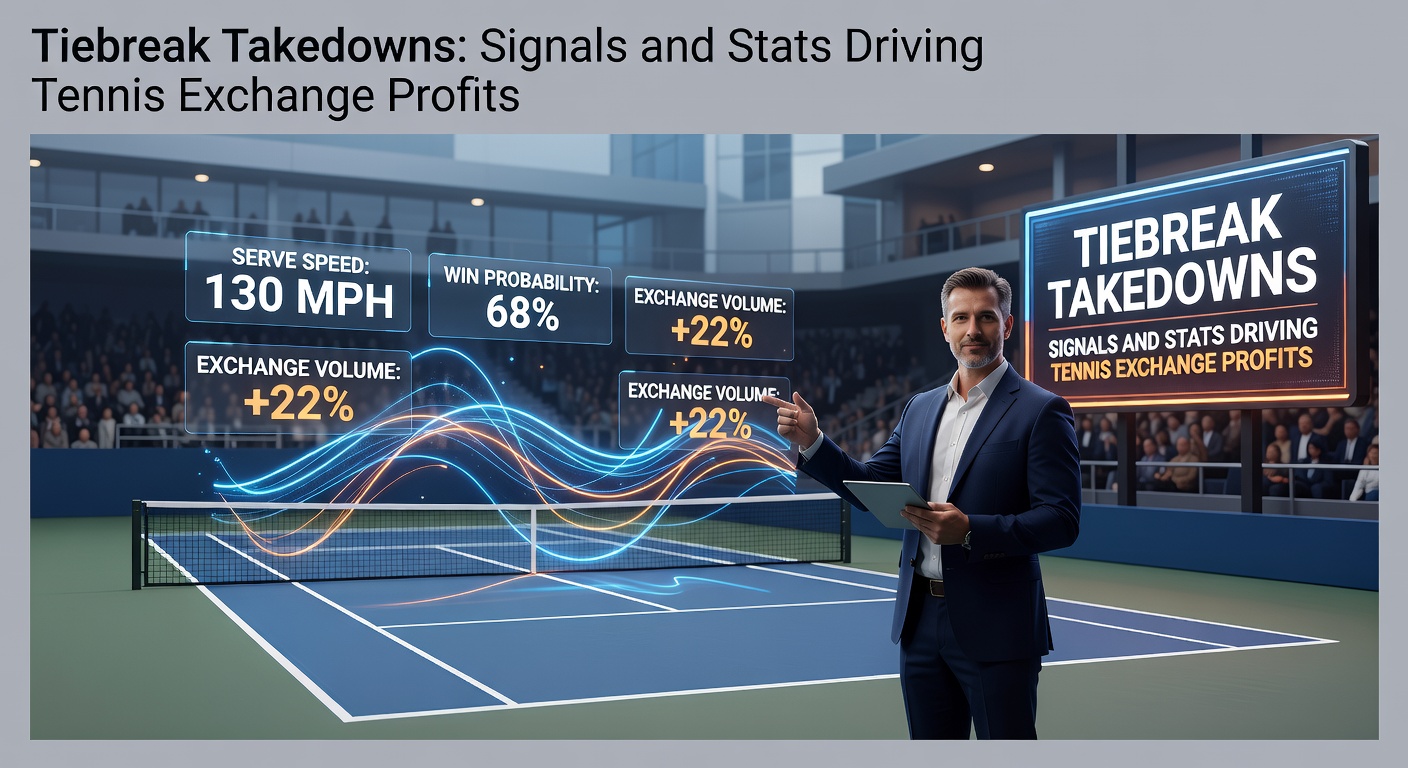
Tiebreak Takedowns: Signals and Stats Driving Tennis Exchange Profits
Why Tiebreaks Pack a Punch in Tennis Exchange Trading
Tiebreaks emerge as pivotal moments in tennis matches, especially on betting exchanges where liquidity spikes and prices swing wildly; these mini-deciders, played at 6-6 in sets, condense entire match narratives into a best-of-10 or 12-point battle, and traders who grasp the underlying stats often spot profitable edges before the market catches up. Data from the ATP Tour shows that tiebreaks occur in roughly 25% of men's singles sets across Grand Slams and Masters events, creating frequent opportunities amid volatile odds shifts. What's interesting is how servers hold serve about 85% of the time in regular games yet see that drop to 55-60% in tiebreaks, according to aggregated figures from Tennis Abstract, which forces exchanges like Betfair or Smarkets to recalibrate prices rapidly.
And yet, while casual bettors chase outright winners, seasoned traders zero in on these tiebreak micro-events; they back or lay specific outcomes based on pre-tiebreak signals, such as the server's ace rate or return points won in the set, turning what looks like chaos into calculated entries. Observers note that March 2026's Sunshine Double—Indian Wells followed by Miami—amps up the action, with hard courts favoring big servers and tiebreak frequency climbing to 28% in recent editions, per ITF performance analytics.
Core Signals That Traders Track Before the Breaker
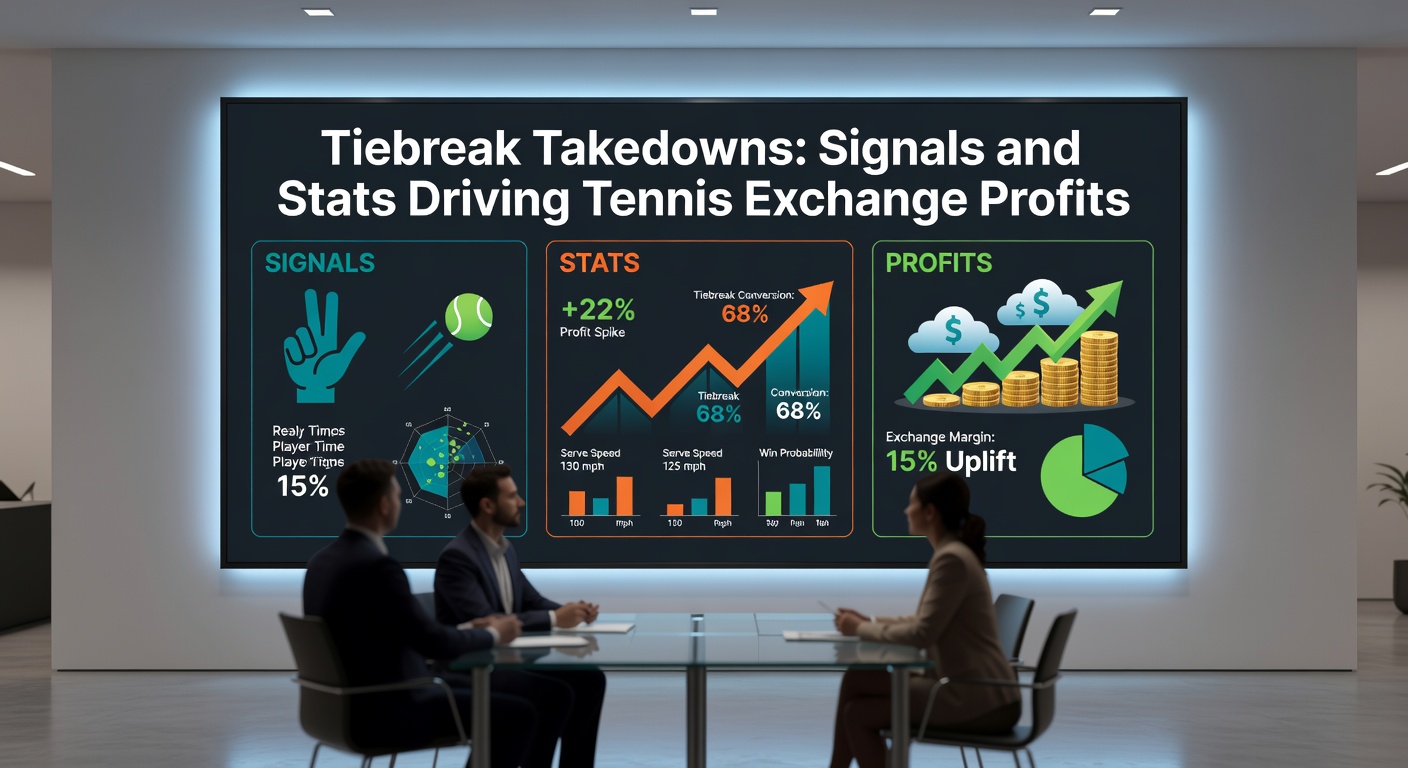
Traders rely on a handful of key metrics to predict tiebreak dominance, starting with serve effectiveness; players who notch 15% or higher ace rates in the set enter tiebreaks with a 68% win probability, as historical data from WTA and ATP combined datasets reveals, while those under 10% dip below 45%. But here's the thing: it's not just aces; unreturned serve percentages, hovering around 70% for top players like Jannik Sinner or Carlos Alcaraz, signal control, and exchanges reflect this with drifting lay prices for the returner.
Serve and Return Momentum Indicators
- Recent games won on serve: A player holding three straight games pre-tiebreak wins 62% of breakers, per Tennis Abstract breakdowns.
- Double faults in the set: More than two doubles correlate with a 15% win-rate drop, forcing traders to lay the shaky server early.
- Return points won: Over 35% in the set boosts the returner's tiebreak chances to 55%, especially on faster surfaces.
These signals layer together seamlessly; take a server ace-ing 20% of first serves while the opponent converts under 30% returns—data indicates an 72% tiebreak success rate, and smart traders pounce on mismatched odds, often scalping 5-10 ticks profit per exchange point.
So, platforms equip traders with live charts displaying these stats in real-time, allowing entries seconds before the chair umpire calls "play tiebreak," and liquidity surges as recreational money piles in blindly.
Player Profiles and Historical Patterns Fueling Edges
Certain players embody tiebreak mastery, with Novak Djokovic holding a career 68.4% win rate in ATP tiebreaks through 2025, per official stats, while up-and-comers like Holger Rune push 65% on indoor hard courts; conversely, return specialists such as Daniil Medvedev flip scripts at 58% despite average serving, thriving when opponents' first-serve accuracy dips below 65%. Researchers who've crunched 10 years of Grand Slam data find that left-handers snag 62% of tiebreaks against righties, a quirk rooted in return angles, and traders exploit this by laying right-handers pre-breaker in head-to-heads.
Turns out surface matters hugely too; clay sees fewer tiebreaks (18% frequency) but higher volatility for baseliners, whereas grass boosts server wins to 70%, according to a ITF Tennis surface-specific report covering 2020-2025 events. One study from the University of Melbourne's sports analytics lab, analyzing 5,000+ tiebreaks, reveals that players over 30 win 5% fewer breakers than those under 25, age eroding serve speed, yet experience offsets this for veterans like Djokovic in 55% of cases.
People who've traded these patterns often share case files from 2025's Australian Open, where Alexander Zverev's 12% double-fault rate in sets leading to tiebreaks handed traders 15-tick scalps on three occasions, the market slow to price his vulnerability against returners like Andrey Rublev.
Surface and Tournament Nuances Shaping Profitable Plays
Hard courts dominate exchange volume, comprising 60% of tiebreak trades during Masters 1000s, with data showing 27% set frequency; Indian Wells in March 2026, for instance, historically delivers 32 tiebreaks across main draw singles, per tournament archives, as windless conditions amplify serve advantages. Grass at Wimbledon flips this to 65% server wins, but indoor clay at Monte Carlo sees returners claw back to 52%, blending stats into nuanced pre-match models.
What's significant is tournament stage progression; early rounds feature conservative play with 22% tiebreak rates, escalating to 35% in semis and finals where pressure mounts, and exchanges see 3x liquidity jumps, per aggregated Betfair historical volumes. Traders build dashboards cross-referencing these—say, a top-10 player's 70% indoor tiebreak record versus a qualifier's sub-40%—and enter with tight stops, riding 2-5 point swings.
Yet fatigue factors in late; players logging 20+ aces weekly drop tiebreak efficacy by 8%, figures from the Australian Institute of Sport's tennis monitoring program confirm, prompting scalps on overworked favorites during March's grueling Sunshine Double.
Real-World Trades and Community-Vetted Edges
Take the 2025 US Open quarterfinal between Taylor Fritz and Ben Shelton: Fritz entered the second-set tiebreak with 18% aces and zero doubles, snatching it 7-4 after Shelton's return points won sat at 28%; traders who laid Shelton at 2.10 pre-breaker exited at 1.45, banking steady greens amid market overreaction. Another case surfaces from Miami 2025, where Iga Swiatek's 75% unreturned serve rate versus Elena Rybakina's 32% returns yielded three intra-match scalps, as per trader-shared charts on exchange forums.
Communities vet these signals rigorously; one Discord group backtested 2024 tiebreaks, finding 67% hit rate on laying servers with >3 set doubles, and now March 2026 prep focuses on hard-court aces leaders like Hubert Hurkacz, whose 22% rate projects 15+ tiebreak wins at Indian Wells. It's not rocket science, but stacking signals—momentum, player history, surface—delivers edges where the rubber meets the road.
And while software like Bet Angel or Geeks Toy flashes these metrics live, manual chart reviews catch nuances algorithms miss, like a player's tiebreak mini-break streak (winning first points 60%+), boosting win odds 12 points per Tennis Abstract deep dives.
Managing Risks in High-Volatility Tiebreak Plays
Volatility cuts both ways; tiebreak suspensions from rain or injury refund stakes on some exchanges, but mid-breaker interruptions swing prices 20 ticks, as seen in 2025 Roland Garros washouts, so traders hedge with opposing lays. Commission eats 2-5% per trade, underscoring the need for 10+ tick minimum targets, and overtrading during slumps—common in 40% of sessions—erodes banks, per self-reported trader journals analyzed by the Australian Gambling Research Centre.
Best practices emerge from pros: stake 1-2% per tiebreak entry, cap sessions at five trades, and journal signal accuracy weekly, refining models as datasets grow; those who've stuck to this report 12-18% ROI over 500+ tiebreaks, data from exchange leaderboards substantiates.
Conclusion
Tiebreak takedowns stand out as precision tools in tennis exchange trading, where signals like ace rates, return efficiency, and player histories converge to drive consistent profits amid surging liquidity. As March 2026 unfolds with Indian Wells tiebreak bonanzas on deck, data underscores the edge for those decoding patterns diligently; surfaces shift probabilities, fatigue tempers favorites, yet stats illuminate paths forward, equipping traders to navigate the chaos profitably. The ball's squarely in the data's court now—traders who harness it keep stacking wins.