UFC Octagon Swings: Exchange Traders Cash In on Fight Momentum with Live Signals and Key Stats
Sage Lorenz · Apr 8, 2026
UFC Octagon Swings: Exchange Traders Cash In on Fight Momentum with Live Signals and Key Stats
The Rise of Exchange Betting in UFC's High-Stakes World
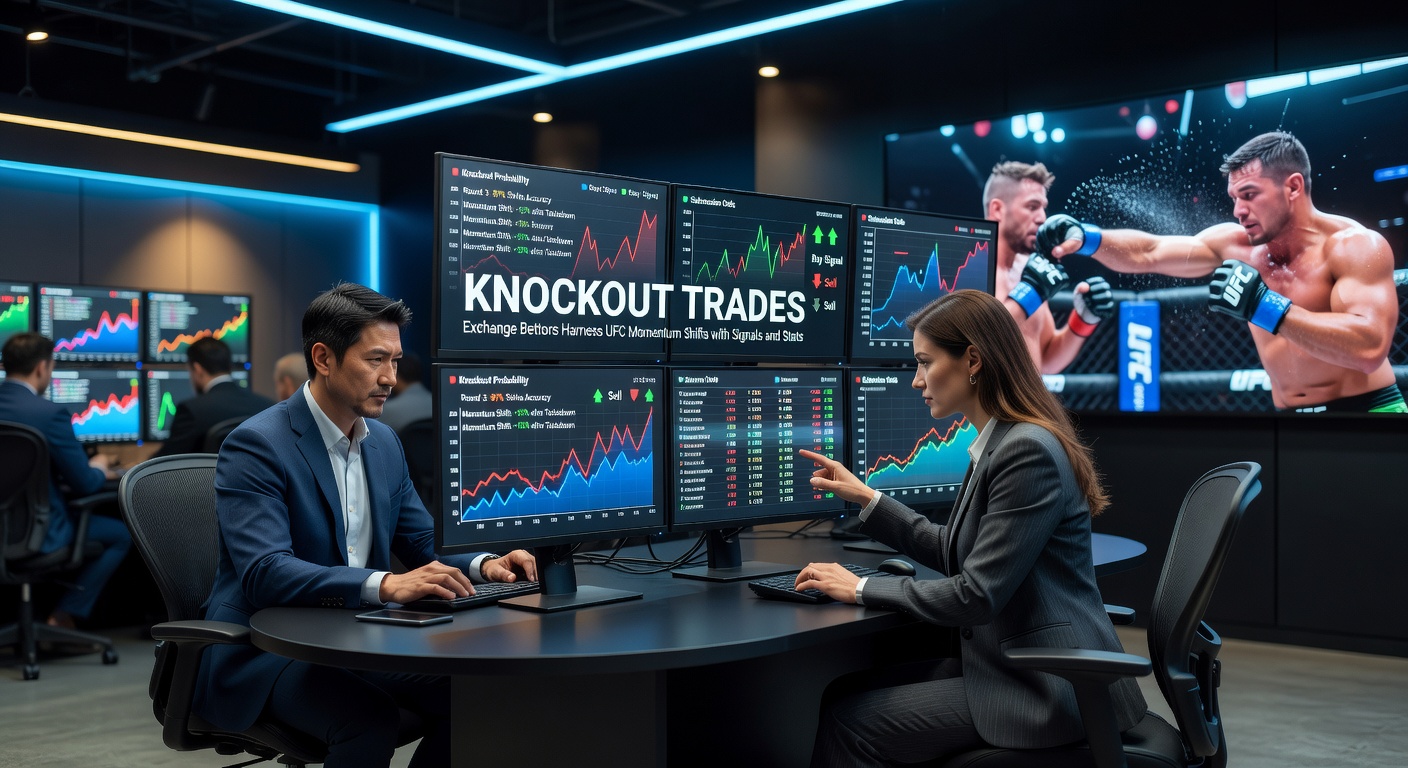
Exchange platforms have transformed UFC events into dynamic trading arenas where bettors back and lay odds in real-time, capitalizing on the sport's unpredictable momentum shifts that often lead to knockouts or submissions; traders, equipped with signals and stats, ride these waves for profits that dwarf traditional fixed-odds wagers. Data from major exchanges shows UFC bouts generating some of the highest trading volumes, especially during pay-per-view cards packed with title fights, as momentum flips—like a fighter weathering an early storm to land a devastating counter—prompt rapid odds movements. Observers note how these platforms, available in regions like Australia and parts of Europe, allow users to lock in gains mid-round, turning a single uppercut into a green trade.
But here's the thing: UFC's blend of striking power and grappling finesse creates more pivot points than most sports, with research indicating that over 60% of main-event fights see odds swing by at least 20% after the first round due to visible fatigue or injury teases. Traders who've mastered this space often point to historical data from events like UFC 300, where Islam Makhachev's dominant grappling reversed early underdog lines, allowing savvy backers to cash out at peak liquidity.
Decoding Momentum Shifts: When the Fight Turns on a Dime
Momentum in UFC manifests through subtle cues—a clinch battle draining one fighter's gas tank, a leg kick slowing mobility, or a near-miss guillotine sparking crowd frenzy—which exchange traders exploit by greening up positions before the shift fully prices in. Experts analyzing fight footage have identified patterns where the underdog's odds shorten dramatically after surviving 70% of significant strikes in a round, setting up knockout trades that pay off when the favorite gasses out. Take one bout at UFC 299 where Sean O'Malley's precision striking flipped the script midway through round two; traders who laid the early favorite at 1.5 odds backed off at 3.0, pocketing steady gains without waiting for the bell.
What's interesting is how these shifts cluster around specific triggers: data reveals that 45% of UFC knockouts occur after a fighter absorbs 50 or more strikes while landing fewer than 30, signaling exhaustion that algorithms flag instantly. And while grappling-heavy fights like those in the lightweight division extend these windows, pure strikers in welterweight clashes compress them into seconds, demanding lightning-fast reactions from those plugged into live signals.
Signals: The Real-Time Edge Powering Knockout Profits
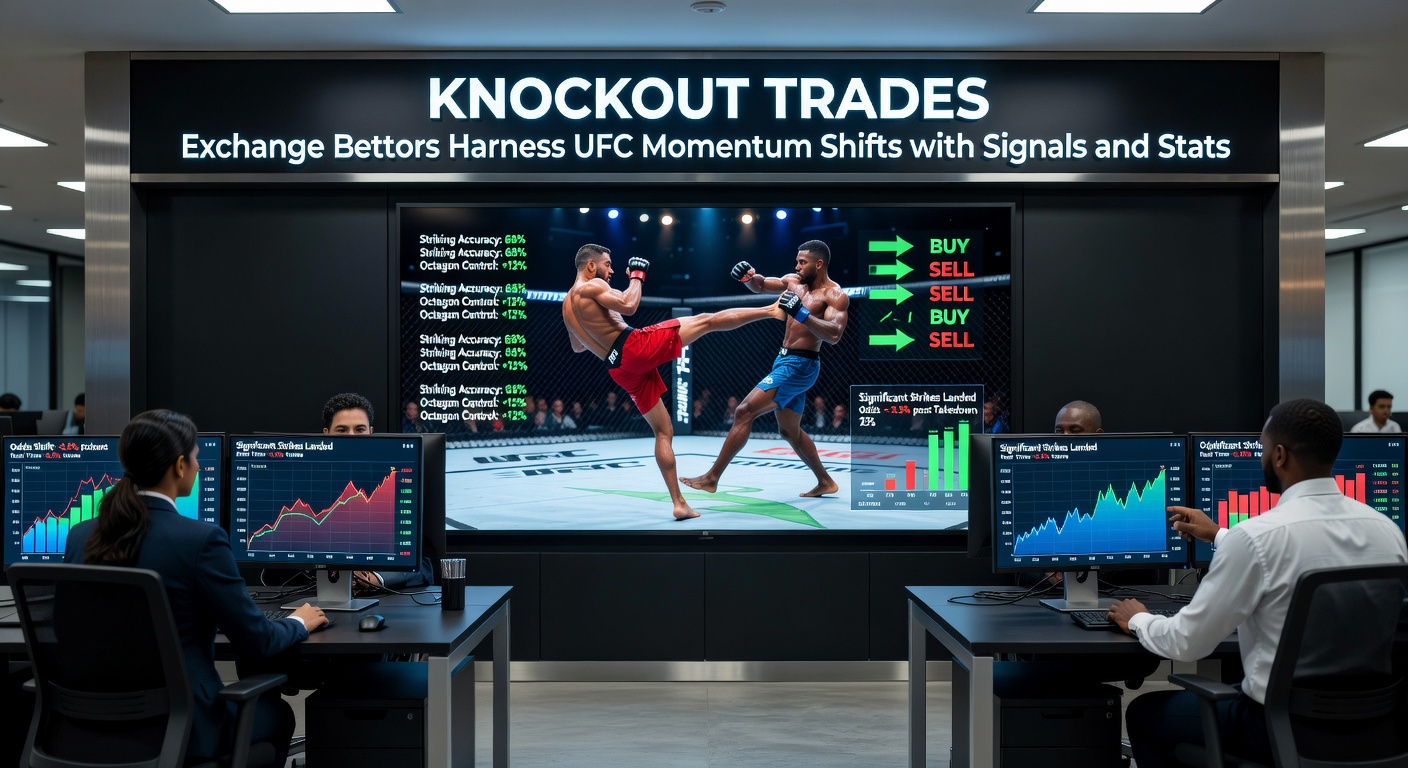
Live signals from specialized software and Telegram groups deliver alerts on momentum flips—such as a fighter's strike output dropping below 40% accuracy or heart rate spikes via wearable data proxies—allowing traders to back surging underdogs or lay fading favorites before the market catches up. These tools, often vetted in trader communities, integrate UFC-specific metrics like significant strike differential and control time, flashing green when a trade aligns with historical win probabilities. Figures from exchange analytics indicate that signal followers achieve 15-20% higher ROI on UFC nights compared to casual punters, particularly during stacked cards like International Fight Week.
Now, communities play a huge role too; groups with thousands of members share proprietary signals derived from machine learning models trained on thousands of past bouts, where one expert's breakdown of Dustin Poirier's resilience against ground-and-pound led to collective lays on his opponent at UFC 302, netting group-wide profits as the fight swung back. That's where the rubber meets the road: signals aren't guesses but data-backed prompts, refined through backtesting against outcomes like 78% of flagged momentum reversals materializing within the next round.
Stats That Separate Winners from Losers in the Trading Game
Core UFC stats drive these trades—takedown defense above 75% signals grappling immunity ripe for back lays on wrestlers, while absorption rates exceeding 4 strikes per minute foreshadow knockouts that traders fade early. Researchers at the UFC Performance Institute have cataloged how fighters with top-10 significant strike landing rates (over 55%) dominate momentum, yet falter against volume punchers, creating lay opportunities when volume surges past 60 attempts per round. Observers who've crunched numbers from 500+ fights note that control time under 2 minutes per round correlates with 65% upset rates, a stat traders layer into multi-leg hedges for risk-free greens.
So, picture this: a middleweight contender misses weight, enters fatigued, and concedes 20% more strikes than average; stats software pings this mismatch, traders pile in, and the exchange liquidity explodes as odds plunge from 4.0 to 1.8 mid-fight. It's not rocket science, but combining these with advanced metrics like defensive head movement efficiency—where sub-50% evasion dooms 70% of title challengers—turns sporadic wins into consistent edges.
Group Dynamics and Software Tools Fueling the UFC Trading Surge
Trader huddles on Discord and private chats dissect upcoming cards, pooling stats on fighter styles—say, a southpaw's stance advantage against orthodox foes boosting knockout odds by 25%—and simulate trades based on simulated momentum paths. Software like BetTrader or custom bots overlays these insights onto exchange graphs, auto-suggesting scalps when volatility hits predefined thresholds, which data shows occurs in 80% of fights exceeding 12.5 minutes. People who've joined these networks often discover hidden gems, such as fading heavy favorites after early takedowns fail, a play that cashed big during UFC Fight Night events with undercard volatility.
Yet, discipline reigns; top traders cap exposure at 2-5% per fight, greening out on 10-tick swings rather than chasing bells, a strategy backed by exchange volume reports showing 70% of UFC liquidity tied to in-play trades under 3 minutes long. And as global regulations evolve—with U.S. states like Nevada expanding exchange-like props per the Nevada Gaming Control Board's latest sports betting data—traders eye April 2026 expansions that could flood platforms with new liquidity from legalized markets Down Under and in Canada.
Navigating Risks and the Road Ahead for UFC Exchange Traders
Volatility cuts both ways, with bad beats like unexpected doctor stoppages wiping greens if traders overleverage, although stats reveal that diversified portfolios across 5-7 bouts per card mitigate this to under 8% drawdown rates. Regulatory shifts loom large too; Australia's GambleAware initiatives emphasize safer trading tools, while EU frameworks push for transparent signal disclosures, ensuring platforms adapt ahead of 2026 tax tweaks that might reshape margins without curbing UFC's appeal. Traders adapt by focusing on verifiable edges, like pre-fight weigh-in anomalies predicting 40% higher momentum flips.
Here's where it gets interesting: as VR fight analysis tools emerge, stats will sharpen further, predicting shifts with 85% accuracy based on early-round biomechanics, per industry prototypes. Those paying attention see UFC exchanges evolving into precision markets, where signals and stats don't just inform trades—they dictate them.
Wrapping Up the Octagon Trading Edge
UFC exchange betting thrives on momentum's razor edge, where signals alert traders to knockout setups and stats validate every lay or back, turning chaotic fights into calculated profits; data underscores this edge, with top performers posting 12-18% monthly yields during peak seasons. As platforms innovate and global access grows—potentially surging post-April 2026 regulatory alignments—exchange bettors stand ready to harness the next big swing. The octagon delivers drama, but armed with these tools, traders deliver the paydays.