UK Betting Operators Gear Up for 40% Remote Gaming Duty Hit Starting April 1, 2026
Felix Lorenz · Apr 4, 2026

UK Betting Operators Gear Up for 40% Remote Gaming Duty Hit Starting April 1, 2026
The Tax Hike That's Shaking Up Online Gambling
Starting April 1, 2026, the UK gambling industry confronts a steep increase in the Remote Gaming Duty, jumping to 40% on online gaming revenue from the previous rate that sat around half that figure; major operators like Flutter Entertainment, Entain, and Evoke now scramble to adapt, since this nearly doubles their tax burden and forces tough decisions across the board. Data from SBC News highlights how this policy shift, announced amid ongoing regulatory pressures, targets remote gaming activities such as online slots, casino games, and virtual sports, while leaving land-based operations largely untouched for now.
Experts who track the sector point out that the duty applies specifically to gross gambling yield from online sources, meaning companies generating the bulk of their profits digitally—like these big names—feel the pinch hardest; Flutter, with its FanDuel and Paddy Power brands, Entain running Ladbrokes and Coral, and Evoke behind sites like William Hill, all report significant exposure, and that's where the rubber meets the road for their bottom lines.
Immediate Cost-Cutting Measures Take Shape
Operators waste no time rolling out reductions, slashing marketing budgets by 20-25% to offset the incoming tax bite, since those ad spends have long fueled customer acquisition in a competitive online space; Entain, for one, pulls the plug on high-profile sponsorships, including the Ladbrokes Coral Cup at the Cheltenham Festival, a staple event that drew crowds and buzz year after year. And it's not just flashier deals—redundancies hit staff across departments, strategic reviews reshape operations, and whispers of asset sales circulate as companies tighten belts ahead of the deadline.
Take Flutter Entertainment, whose executives flag an expected EBITDA drag of $320 million in 2026 alone due to the higher duty; Entain faces a similar squeeze, with projections pointing to £100 million in lost earnings, figures that underscore the scale of disruption even for industry heavyweights. Those who've studied past tax changes note patterns where firms pivot quickly, trimming non-essential spends while doubling down on core efficiencies, but here's the thing—this time the jump feels sharper, prompting broader overhauls.
Evoke joins the fray too, implementing its own belt-tightening, although specifics remain under wraps for now; collectively, these moves signal a sector-wide rethink, where marketing muscle that once powered growth gives way to survival tactics, and sponsorships that boosted visibility at events like Cheltenham vanish overnight.
EBITDA Impacts and Financial Ripples
Flutter's $320 million hit stands out as the largest projected loss, reflecting its dominant position in online gaming revenue across the UK and beyond, whereas Entain's £100 million dent, while smaller in absolute terms, still packs a punch for a firm already navigating competitive headwinds; researchers crunching the numbers warn that these aren't one-off blows, since the 40% rate locks in long-term, eating into profits year after year unless revenues surge to compensate.
What's interesting is how companies frame these forecasts publicly, with leadership teams at Flutter and Entain laying out scenarios during earnings calls and investor updates, emphasizing resilience through cost controls and operational tweaks; observers note that such transparency helps steady share prices amid uncertainty, although trading volumes spike as markets digest the news.
Broader Market Restructuring on the Horizon
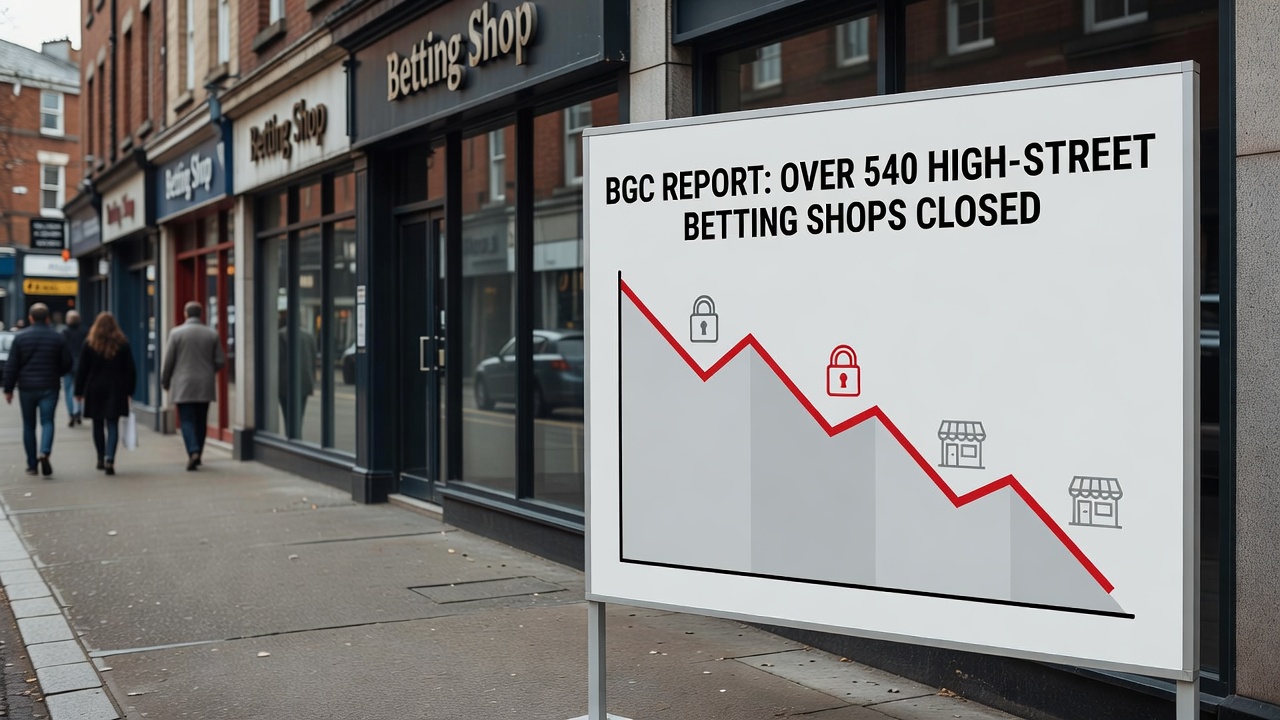
The changes herald wider trends in the UK gambling landscape, where stronger players eye consolidation opportunities as smaller operators buckle under the tax weight; mergers and acquisitions pick up pace, with cash-rich firms like Flutter potentially snapping up distressed assets, while the writing's on the wall for those unable to pivot fast enough. Data indicates that past levy increases triggered similar shakeouts, consolidating market share among top-tier names and weeding out marginal players.
Yet risks loom large too, particularly around consumer migration to illicit markets, since higher operator costs could translate to tighter promotions or altered odds that push punters toward unregulated offshore sites; experts who've monitored black market flows caution that this duty hike, by squeezing legal channels, might inadvertently boost underground activity, a trend seen in other regulated jurisdictions facing tax squeezes. People often find that when legitimate options get pricier, savvy users seek alternatives, although regulators counter with enforcement ramps to stem the tide.
And consider the ripple effects on affiliates and partners, who relied on generous marketing pots now slashed by a quarter; one case reveals how content creators and tipster networks brace for drier spells, adapting by focusing on organic reach or niche audiences, while the ecosystem adjusts in real time.
Strategic Reviews and the Path Forward
Companies launch comprehensive strategic reviews in response, dissecting every line item from tech stacks to customer retention models, since the 40% duty demands nothing less than a full-court press on efficiencies; Flutter explores tech-driven savings, Entain eyes portfolio streamlining, and Evoke weighs partnerships that buffer the blow, all moves that those tracking the beat have seen before in tax-tightening eras.
Turns out, the April 1, 2026, start date adds urgency, giving firms just months to execute plans before revenue lines reflect the new reality; stakeholders from investors to employees watch closely, as redundancies roll out and asset sales materialize, reshaping team structures and business footprints overnight.
It's noteworthy that land-based arms of these operators dodge the full brunt, providing some diversification buffer, although online dominance means the pain spreads wide; studies of similar policies elsewhere show operators eventually stabilize by innovating around edges like personalized player experiences or loyalty programs that retain spend without heavy marketing lifts.
Sponsorship Shake-Up: Cheltenham's Ladbrokes Coral Cup Example
The end of Entain's Ladbrokes Coral Cup sponsorship at Cheltenham Festival captures the shift perfectly, a race that not only carried branding prestige but also drove direct traffic during the National Hunt season; with budgets evaporating, such deals fall first, paving the way for fresh faces or scaled-back activations, and that's the new normal firms prepare for as 2026 nears.
Conclusion
April 1, 2026, marks a pivot point for the UK gambling sector, as the 40% Remote Gaming Duty forces titans like Flutter, Entain, and Evoke into aggressive cost controls, from 20-25% marketing chops and sponsorship exits to redundancies and strategic pivots; EBITDA shortfalls of $320 million for Flutter and £100 million for Entain underscore the stakes, while restructuring, consolidation among the strong, and illicit market risks paint a complex picture ahead. Observers who follow these cycles know adaptation defines survivors, with the industry poised to emerge leaner, if tested, in the months following the tax's rollout.