Umpire Calls Trigger Sharp Swings in Cricket Exchange Markets
Ben Schwarz · May 18, 2026
Umpire Calls Trigger Sharp Swings in Cricket Exchange Markets
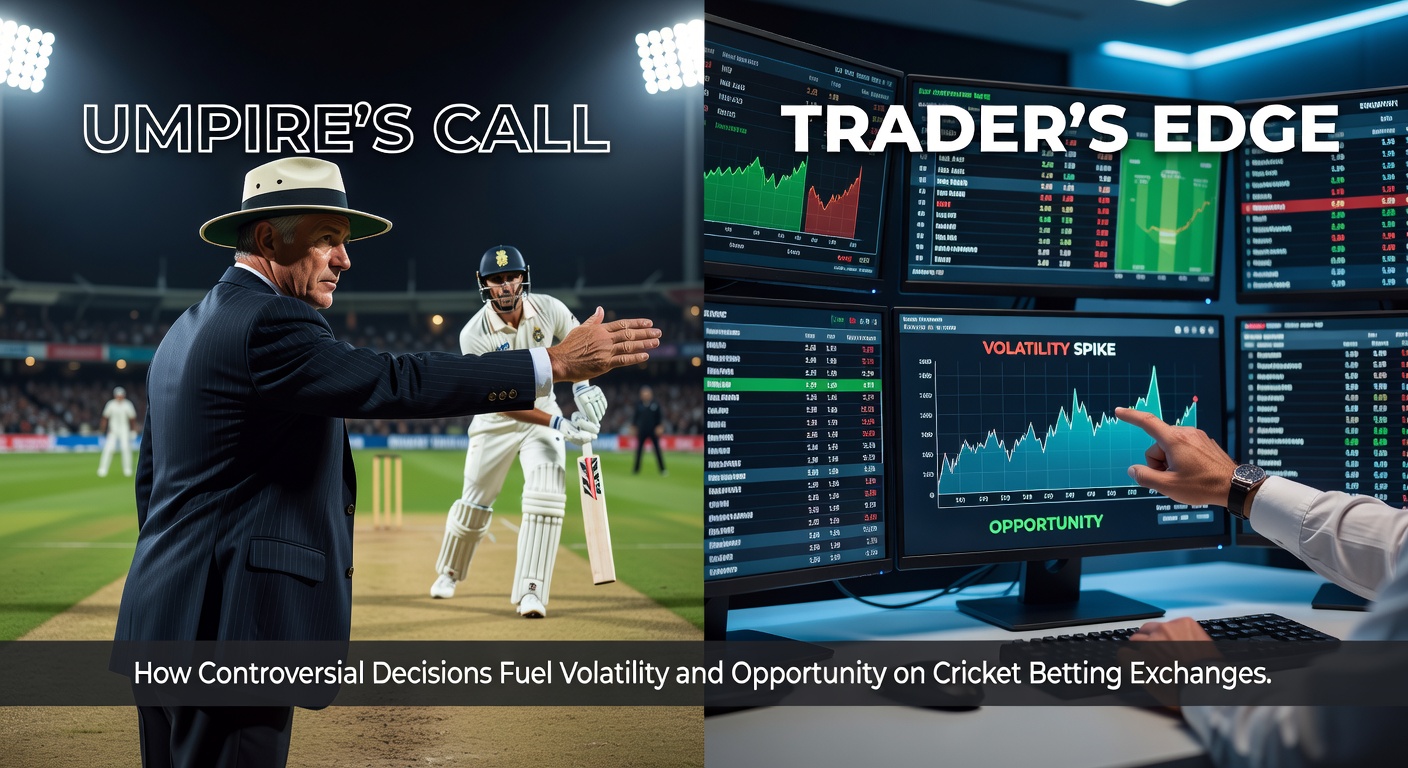
Cricket exchanges operate on live data feeds and rapid price adjustments, yet few factors move odds faster than an umpire's on-field call or its subsequent review. When a decision goes to the third umpire under the Decision Review System, contracts tied to player performance, team totals, and next-over outcomes can shift within seconds, and traders who monitor these moments often see liquidity spikes across multiple markets at once.
How Specific Calls Reshape Exchange Prices
Leg-before-wicket rulings top the list of volatility drivers because they directly alter projected run rates and player dismissal probabilities. A successful review that reverses an on-field not-out decision can instantly adjust the implied probability for the batting side's total by several percentage points, while a no-ball call on a critical delivery changes both teh immediate over outcome and any related spread markets. Observers note that these adjustments occur most visibly during the middle overs of limited-overs matches, when traders have already positioned based on earlier patterns and must rebalance quickly once the call is confirmed.
DRS Timelines and Market Reactions
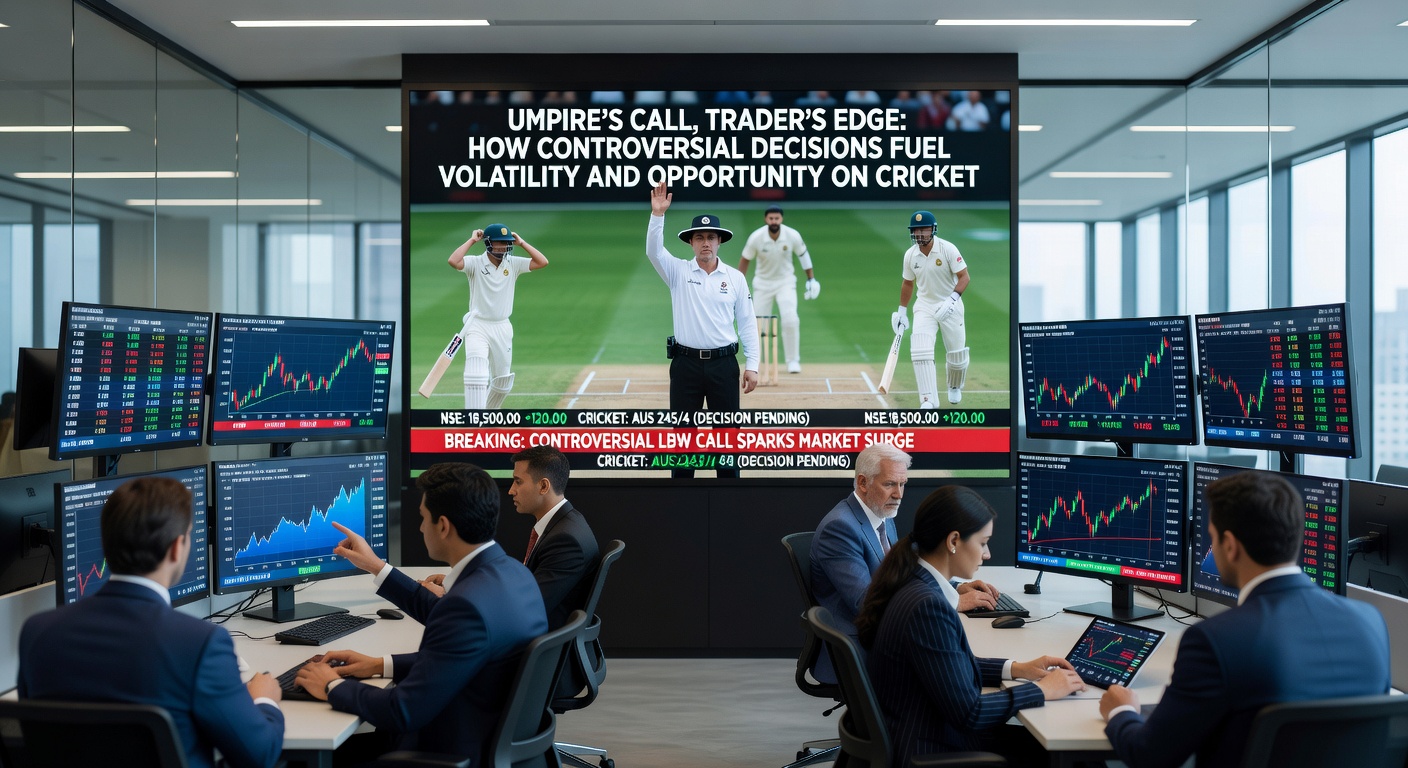
Review windows last roughly 30 seconds to two minutes depending on the format, and during that interval many exchanges pause or widen spreads on affected contracts. Once the third umpire signals out or not out, prices snap back into alignment and volume surges as participants either exit or double down. Data from recent international series shows that average price movement on run-total markets can exceed 4 percent within the first 10 seconds after a confirmed reversal, with liquidity remaining elevated for several overs afterward.
Regional Series and 2026 Scheduling Context
With the 2026 international calendar placing several bilateral white-ball series in May, including fixtures between Asian and Australian sides, exchange operators anticipate repeated clusters of DRS interventions during day-night matches. Broadcasters typically schedule these games for evening slots that overlap with peak trading hours in multiple time zones, which further concentrates activity around each review. Traders who track historical DRS success rates for specific umpires gain an informational edge when those officials are appointed to upcoming fixtures, because patterns in over-turn frequency tend to repeat across venues with similar pitch characteristics.
Trading Approaches Around Controversial Moments
One established method involves fading extreme price moves immediately after a reversal, on the premise that initial over-reactions correct once the next few deliveries provide fresh information. Another approach focuses on pre-review positioning: participants accumulate exposure in markets they expect to remain stable even if the call changes, then scale out during the brief liquidity spike. Software tools that overlay ball-tracking data with exchange order books help surface these opportunities by highlighting contracts whose implied probabilities diverge most sharply from projected outcomes once the review concludes.
Case studies from the 2025 IPL season illustrate the pattern clearly. In one high-profile encounter, a late over-turn on a caught-behind decision shifted the match-winning probability market by more than eight points within 15 seconds, yet prices partially retraced over the subsequent two overs as traders incorporated the revised target and adjusted their positions accordingly. Similar sequences appeared across multiple venues, confirming that the magnitude of the swing correlates with both the stage of the innings and the number of reviews remaining for each team.
Regulatory and Data Environment
According to reports from the International Cricket Council, the frequency of successful reviews has remained consistent across major tournaments, providing a stable baseline for modeling expected volatility. Separate analysis published by the Sports Data Research Institute in 2024 examined over 1,200 reviewed decisions and found measurable differences in reversal rates between elite and associate nation umpires, information that exchange participants incorporate when pricing live contracts. These datasets allow quantitative strategies to estimate the probability distribution of price moves once a review is signaled, rather than reacting only after the outcome is announced.
Conclusion
Umpire decisions therefore function as scheduled catalysts within cricket exchange ecosystems, generating repeatable windows of elevated activity that reward preparation and rapid execution. As May 2026 fixtures approach, participants continue to refine models that integrate review statistics, venue effects, and historical price paths so they can respond consistently when calls are challenged and confirmed. The interplay between on-field rulings and market mechanics remains one of the more predictable sources of movement in an otherwise fast-changing trading environment.